
Building Resilient and Eco-Friendly Healthcare Facilities
Developing sustainable healthcare infrastructure in Nairobi is becoming increasingly important. This involves creating facilities that are environmentally responsible and resilient. Fortisure Consulting offers specialized market analysis. We help stakeholders understand the opportunities and challenges. Our focus is on integrating sustainability into healthcare planning. This ensures long-term viability and positive community impact in Kenya.
The Growing Need for Sustainability
Healthcare facilities have a significant environmental footprint. Energy consumption, water usage, and waste generation are major concerns. Sustainable design principles aim to minimize this impact. This includes using renewable energy sources, efficient water management, and waste reduction strategies. In Nairobi, ensuring resilience against climate change impacts is also crucial. Understanding these needs is the first step in developing sustainable healthcare infrastructure. Fortisure Consulting assesses these requirements thoroughly.

Key Elements of Sustainable Healthcare Infrastructure
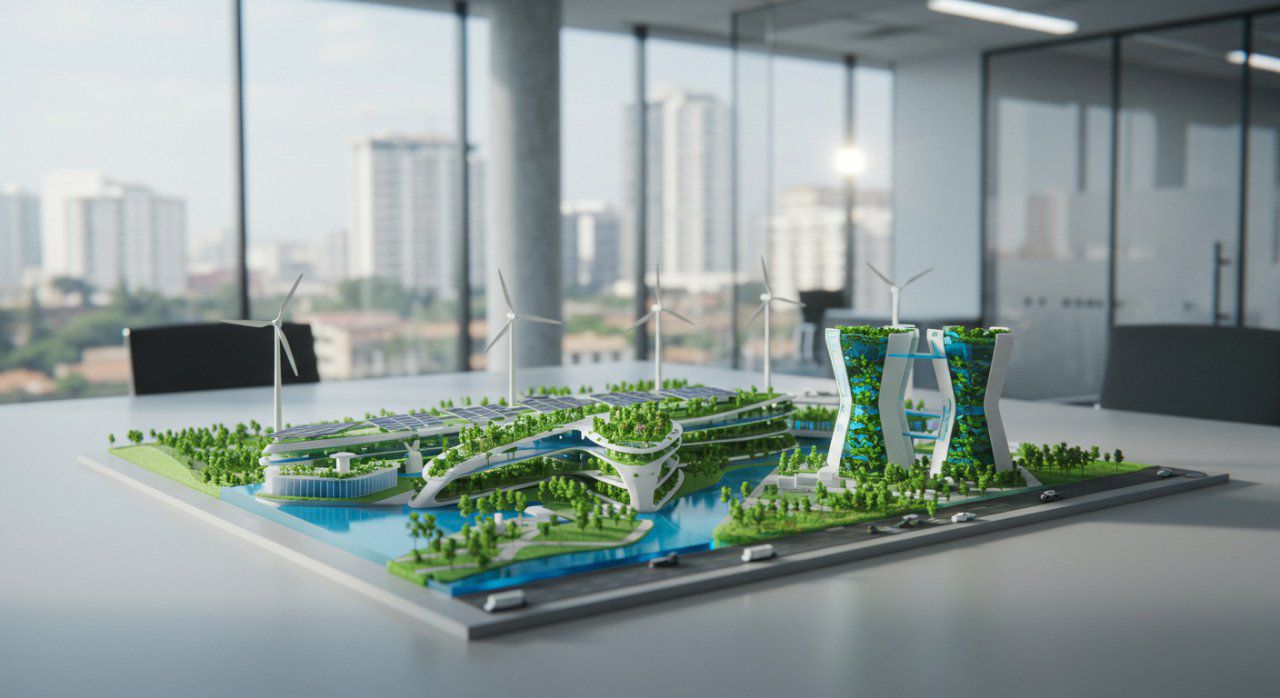
Sustainable healthcare infrastructure incorporates several key elements. Green building materials and energy-efficient designs reduce operational costs and emissions. Water conservation systems, including rainwater harvesting, are vital. Effective waste management, from recycling to safe disposal of medical waste, is critical. Furthermore, creating healing environments that promote patient well-being is a core aspect. Designing for adaptability and resilience against future challenges is also paramount.
Market Drivers and Opportunities

Several factors drive the demand for sustainable healthcare infrastructure. Increased awareness of environmental issues is a major driver. Government policies and international sustainability goals also play a role. Potential cost savings from energy and water efficiency attract investors. Furthermore, a focus on resilience against climate events is gaining traction in Nairobi. Fortisure Consulting identifies these market drivers. We help clients capitalize on emerging opportunities in this sector.
Challenges in Sustainable Development
Implementing sustainable practices can present challenges. Initial investment costs for green technologies may be higher. Lack of specialized expertise in sustainable design and construction can be a barrier. Sourcing sustainable materials locally might also be difficult. Navigating existing regulations to incorporate new standards requires effort. Fortisure Consulting helps address these challenges. We provide strategies for overcoming obstacles to developing sustainable healthcare infrastructure.
Regulatory Framework and Incentives
Kenya's regulatory framework is evolving to support sustainable development. Building codes are increasingly incorporating green standards. There may be incentives available for projects that meet specific sustainability criteria. Understanding these regulations and potential incentives is crucial. Fortisure Consulting provides guidance on navigating the policy landscape. This ensures compliance and maximizes potential benefits for your projects.
Fortisure Consulting's Role
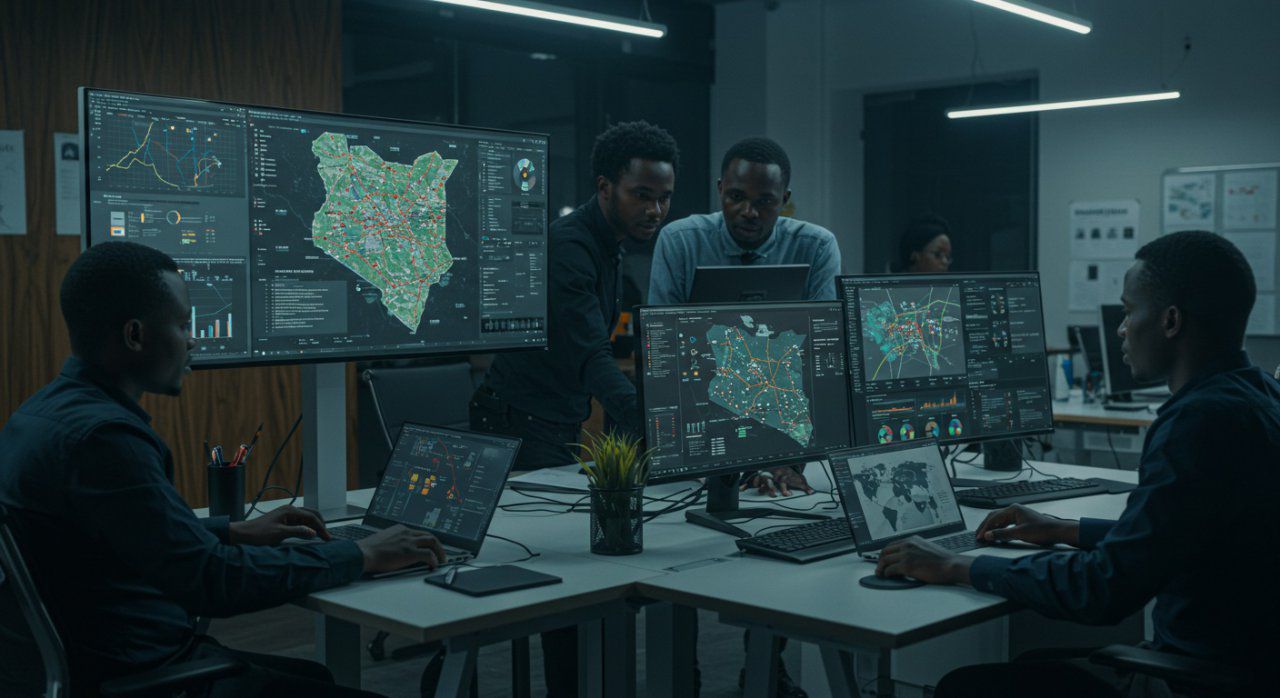
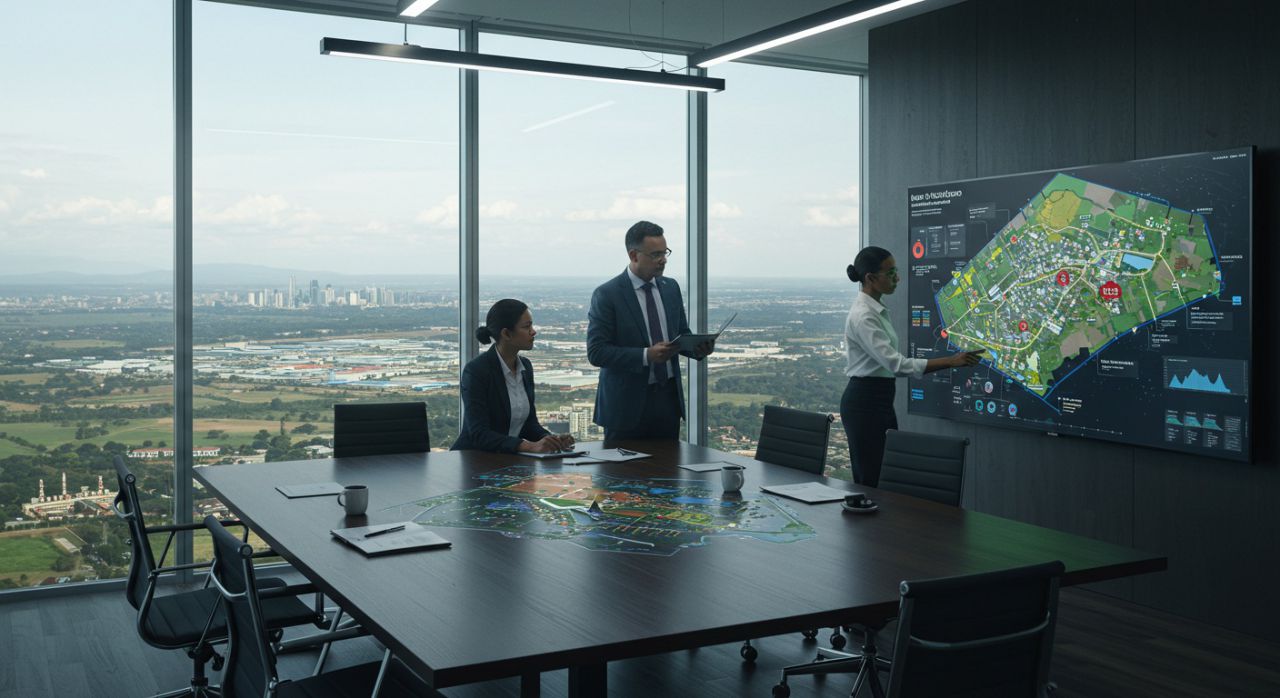
Fortisure Consulting offers comprehensive market analysis for sustainable healthcare infrastructure projects in Nairobi. We evaluate market demand, identify key trends, and assess feasibility. Our expertise helps clients develop strategies that balance environmental responsibility with economic viability. Partner with us to build healthcare facilities that are both sustainable and successful in Kenya.