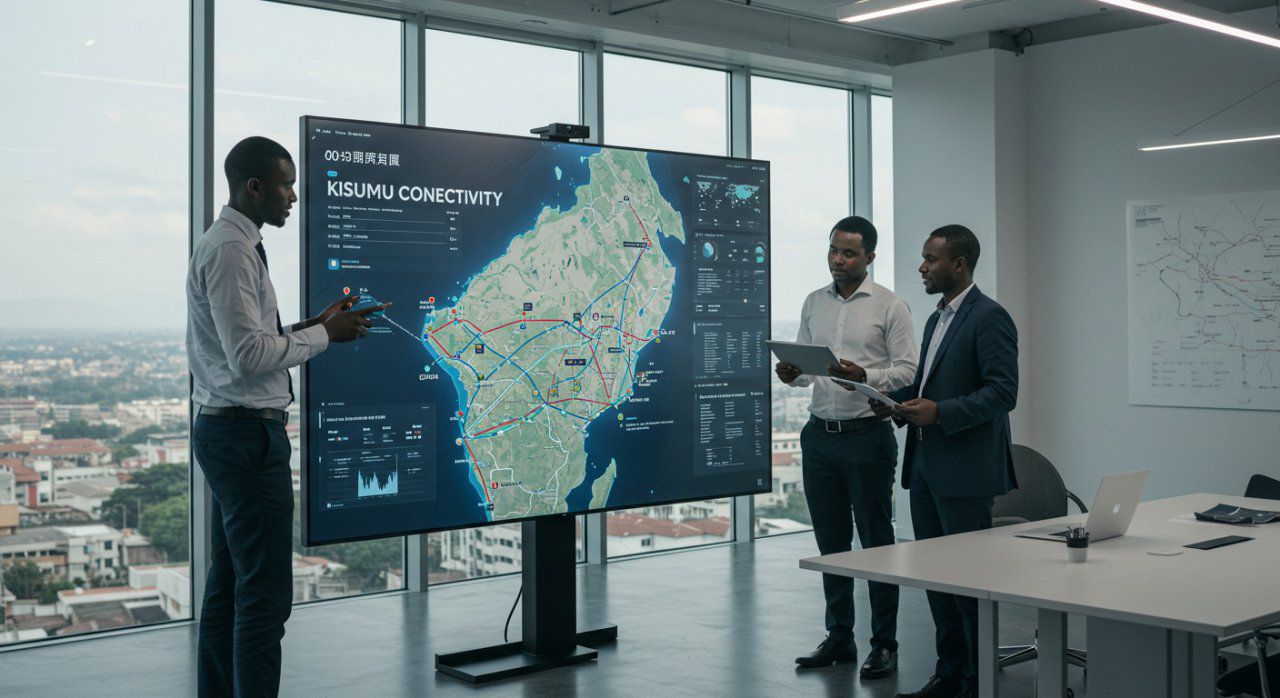
Understanding the Importance of a Port Development Pipeline
Nairobi's strategic location and economic ambitions necessitate a well-defined infrastructure project pipeline. Focusing on port development is crucial for enhancing trade and connectivity. A clear pipeline ensures that projects align with national goals and investor interests. Fortisure Consulting specializes in developing these critical pipelines for clients in Nairobi, Kenya. We help identify opportunities, assess feasibility, and structure projects for success. Our expertise ensures that your port development initiatives are robust and sustainable. Let us guide you through the complexities of building a strong infrastructure project pipeline that drives growth and prosperity for Kenya.
The Role of Port Development in Kenya's Economy
Port development is a cornerstone of Kenya's economic strategy, directly impacting trade, logistics, and job creation. Efficient ports facilitate the import and export of goods, reducing business costs and increasing competitiveness on the global stage. For Nairobi, a hub of economic activity, improved port infrastructure translates to better access to international markets. This requires a forward-thinking approach to planning and investment. A comprehensive infrastructure project pipeline is essential to manage this growth effectively. It allows stakeholders to visualize future needs and allocate resources accordingly. Without a structured pipeline, development can become fragmented and inefficient, missing key opportunities for expansion and modernization. Fortisure Consulting understands these dynamics deeply. We work to ensure that every project within the pipeline contributes to the broader economic objectives of Nairobi and Kenya.

Key Components of a Port Development Pipeline
A successful infrastructure project pipeline for port development involves several critical elements. Firstly, thorough needs assessment is vital, analyzing current capacity versus future demand. This includes evaluating cargo volumes, vessel sizes, and types of goods handled. Secondly, project identification and prioritization are key; this involves scouting for new development opportunities and ranking them based on strategic importance and economic viability. Thirdly, feasibility studies and conceptualization are necessary to define project scope, potential costs, and expected benefits. Fourthly, securing financing is paramount, exploring options from public funds, private investment, and international development partners. Finally, robust project execution and monitoring ensure that developments are completed on time and within budget. Fortisure Consulting excels in guiding clients through each of these stages, ensuring a seamless process for port expansion projects in Nairobi.
Identifying Opportunities for Port Infrastructure Growth

Identifying potential port infrastructure projects requires a deep understanding of market trends and logistical bottlenecks. This involves analyzing trade data, shipping routes, and commodity flows. We look for opportunities to expand berthing capacity, deepen channels, and improve cargo handling facilities. Modernization of existing infrastructure is also a key area. This could include upgrading port equipment, implementing advanced IT systems for better management, or enhancing security measures. Furthermore, the development of ancillary services, such as warehousing, logistics parks, and cold storage facilities, complements core port operations. These supporting infrastructures are vital for creating a complete logistics ecosystem. Fortisure Consulting employs data-driven analysis to pinpoint these opportunities. We ensure that the projects identified are not only commercially viable but also strategically aligned with Kenya's national development plans.
Feasibility Studies and Project Structuring
Once potential projects are identified, rigorous feasibility studies are essential. These studies assess the technical, economic, environmental, and social viability of each proposed development. For port projects, this includes evaluating geological conditions, environmental impact assessments, and demand forecasts. Project structuring is the next critical step. This involves defining the project's legal framework, governance model, and procurement strategy. Fortisure Consulting assists clients in Nairobi in conducting these comprehensive studies. We help determine the optimal project delivery method, whether through public-private partnerships (PPPs), direct government investment, or private sector-led initiatives. Our goal is to create project structures that attract investment and ensure efficient implementation, maximizing the return on investment for all stakeholders involved in port expansion.
Financing and Investment in Port Projects
Securing adequate financing is often the most challenging aspect of large-scale infrastructure development. Port projects, in particular, require significant capital outlay. Fortisure Consulting helps clients navigate the complex landscape of project finance. We identify potential funding sources, including development finance institutions, commercial banks, sovereign wealth funds, and private equity investors. Developing a compelling investment case is crucial. This involves demonstrating the project's economic benefits, financial returns, and risk mitigation strategies. Our team works to create bankable project proposals that meet the stringent requirements of potential financiers. We also advise on structuring financing packages, including debt, equity, and hybrid instruments, to ensure the financial sustainability of port development initiatives in Nairobi.
Navigating Regulatory and Environmental Considerations
The development of port infrastructure is subject to a complex web of regulations and environmental standards. Compliance is not just a legal necessity but also crucial for project sustainability and public acceptance. Fortisure Consulting guides clients through the entire regulatory approval process. This includes obtaining permits from relevant government agencies, conducting environmental impact assessments (EIAs), and engaging with local communities. Understanding and adhering to international maritime standards is also vital for port operations. We help clients anticipate and address potential environmental and social risks. Our proactive approach ensures that projects are designed and implemented with the highest standards of environmental stewardship and social responsibility, safeguarding long-term viability and stakeholder support.