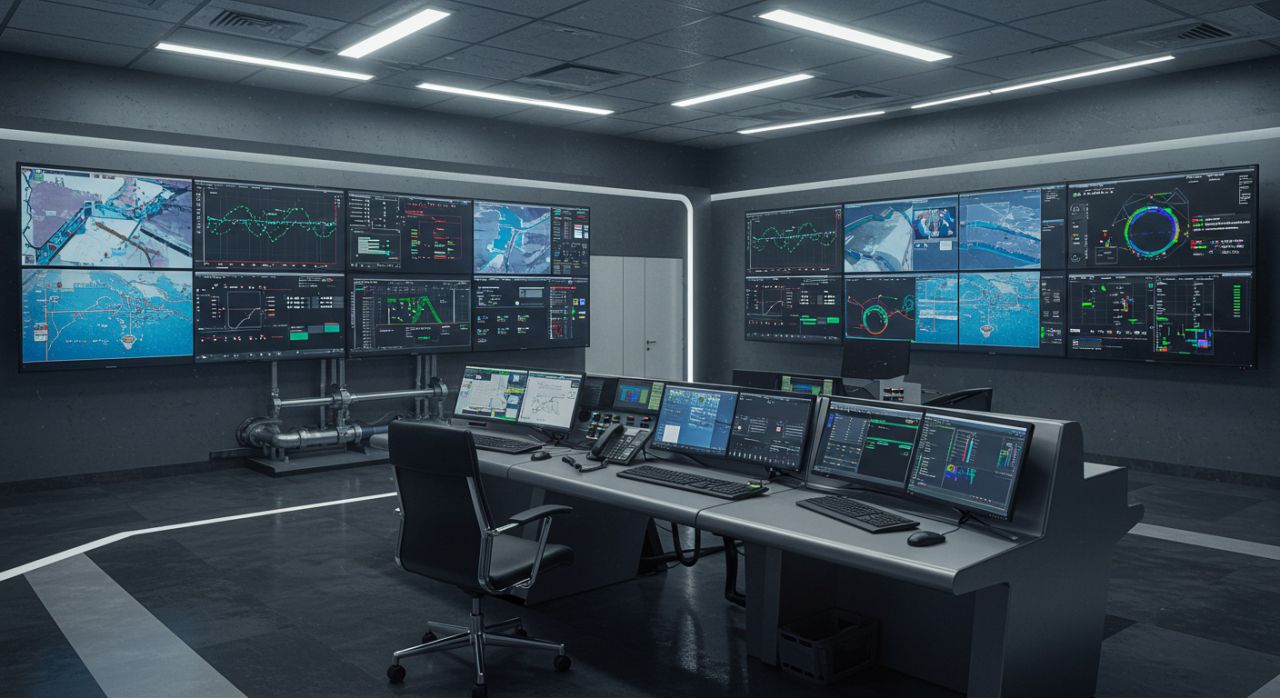
Ensuring Technical Soundness in Nairobi's Infrastructure Projects
For any infrastructure initiative in Nairobi, Kenya, a rigorous technical assessment is non-negotiable. This process evaluates the engineering, design, and operational aspects of a project. It ensures that the proposed infrastructure can be built safely, efficiently, and sustainably. A thorough pipeline project technical assessment infrastructure is the foundation upon which project success is built. It identifies potential technical challenges early on. This allows for timely solutions and prevents costly errors during construction and operation. Fortisure Consulting provides specialized expertise in this critical area. We help stakeholders in Nairobi navigate the complexities of technical evaluations for diverse infrastructure needs.
What is a Technical Assessment?
A technical assessment of an infrastructure pipeline project involves a comprehensive review of its design, materials, construction methods, and operational requirements. It examines whether the project's technical specifications are adequate for its intended purpose and environment. This includes evaluating engineering designs, site conditions, technology choices, and potential environmental impacts. For projects in Nairobi, understanding local geological conditions, climate, and available resources is vital. The goal is to confirm that the project is technically feasible and meets all relevant engineering standards and safety regulations. A detailed pipeline project technical assessment infrastructure is crucial for risk management and project planning.

Key Components of Technical Assessment
Several key components comprise a thorough technical assessment for infrastructure projects. Firstly, design review examines the blueprints and engineering drawings to ensure they are sound and meet requirements. Site investigation assesses the physical location, including soil conditions, topography, and environmental factors. Material and technology evaluation looks at the suitability and quality of proposed materials and construction techniques. Construction methodology review ensures the planned building process is efficient and safe. Finally, operational and maintenance planning considers the long-term upkeep and performance of the infrastructure. Each aspect is vital for a complete pipeline project technical assessment infrastructure in Nairobi's unique context.
Site Investigation and Geotechnical Analysis
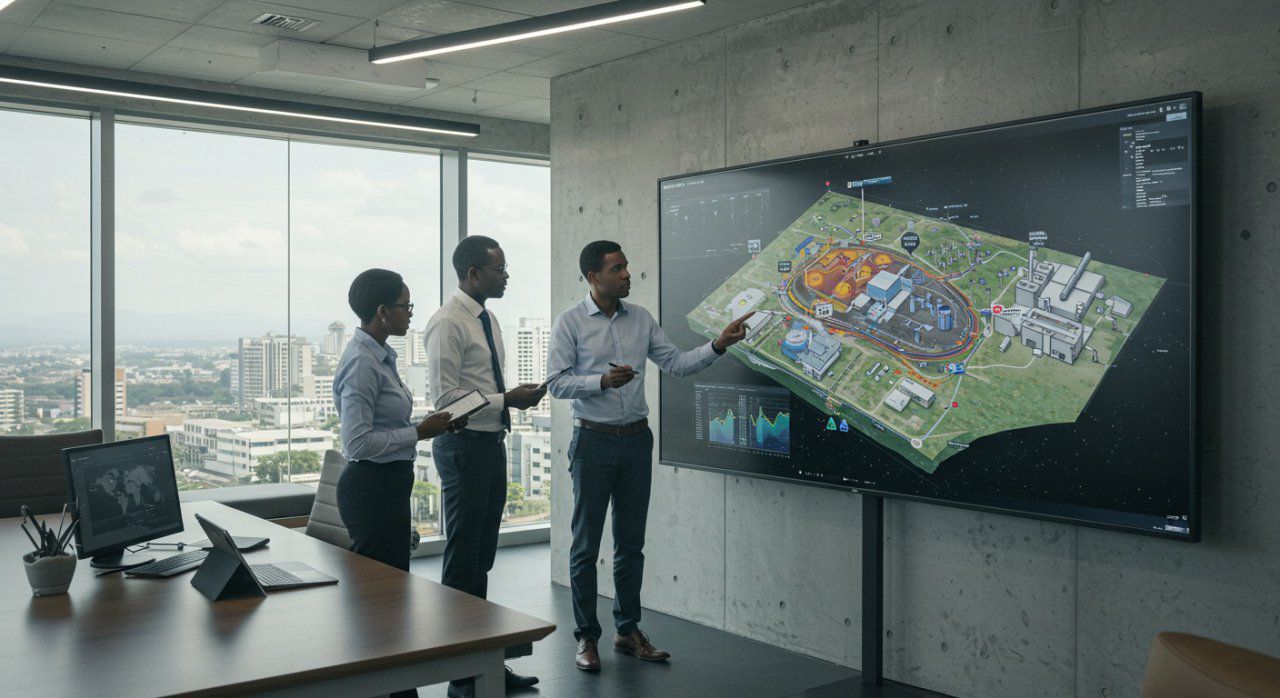
The physical location of an infrastructure project is a primary determinant of its technical feasibility. Site investigation involves detailed surveys to understand the terrain, existing utilities, and potential environmental hazards. Geotechnical analysis focuses specifically on the soil and rock conditions beneath the proposed site. This is crucial for determining foundation requirements and assessing stability. For example, a high-rise building or a bridge in Nairobi requires a deep understanding of the subsurface. Inadequate geotechnical analysis can lead to structural failures, costly delays, and safety risks. Fortisure Consulting ensures comprehensive site investigations. We provide clients with the data needed for informed design decisions.
Engineering Design and Material Selection
The engineering design dictates the structural integrity and functionality of the infrastructure. This involves detailed calculations, simulations, and adherence to relevant building codes and standards. Selecting appropriate materials is equally important. Materials must be durable, cost-effective, and suitable for Nairobi's climate and operating conditions. For instance, using materials resistant to corrosion is vital in certain environments. The assessment verifies that the chosen designs and materials will withstand expected loads and environmental stresses throughout the project's lifecycle. A robust pipeline project technical assessment infrastructure scrutinizes these elements meticulously.
Construction Methodology and Quality Control
How a project is built is as important as what is built. The construction methodology review assesses the proposed techniques, equipment, and timelines for the building phase. It ensures that the construction process is efficient, safe, and minimizes disruption. Quality control measures are established to monitor the work and materials used throughout construction. This ensures adherence to design specifications and engineering standards. Implementing stringent quality control prevents defects and ensures the final structure is sound. Fortisure Consulting helps clients establish robust construction plans. We ensure that quality is maintained from the ground up.
Operational Readiness and Risk Management
Beyond construction, a technical assessment also considers the project's operational phase. This includes evaluating the systems for water, energy, or data transfer, as well as maintenance protocols. Ensuring the infrastructure can be operated and maintained effectively and affordably is key to its long-term success. Risk management is integrated throughout the assessment. Potential technical risks, from equipment failure to environmental challenges, are identified. Mitigation strategies are developed to address these risks. A comprehensive pipeline project technical assessment infrastructure provides confidence in the project's long-term performance and safety.