

The Vital Role of a Transportation Infrastructure Pipeline
Developing a robust transportation infrastructure pipeline is fundamental to Nairobi's economic vitality and the quality of life for its residents. This pipeline represents a strategic plan for future transportation projects, including roads, public transit, and logistics networks. Fortisure Consulting is dedicated to guiding the meticulous development of this pipeline in Nairobi, Kenya. We understand that efficient movement of people and goods is the lifeblood of a thriving city. Our approach focuses on identifying critical needs, evaluating potential projects, and prioritizing those that offer the greatest long-term benefits. A well-structured pipeline ensures that infrastructure development is sustainable, forward-thinking, and aligned with Kenya's national development goals. It lays the groundwork for future connectivity and economic opportunity.
Planning for Nairobi's Future Mobility Needs
Nairobi's rapid growth necessitates proactive planning for its transportation infrastructure pipeline. As the urban population expands, so does the demand for efficient and sustainable transport solutions. This includes expanding road networks, enhancing public transportation systems like buses and commuter rail, and developing modern logistics hubs. Fortisure Consulting works closely with stakeholders to forecast future mobility demands. We analyze current traffic patterns, population growth projections, and economic development plans for Nairobi. Our goal is to ensure the pipeline includes projects that address congestion, improve accessibility, and support sustainable transportation modes. This strategic foresight is crucial for preventing infrastructure deficits and ensuring seamless connectivity across Kenya's capital.

Key Stages in Developing the Pipeline
The development of a transportation infrastructure pipeline involves several critical stages. It begins with strategic assessment, identifying current transportation gaps and future needs in Nairobi. This is followed by a rigorous screening process to identify potential projects, such as new highways, light rail extensions, or improved port access. Next, detailed feasibility studies are conducted, examining technical requirements, economic viability, environmental impact, and social considerations. Project prioritization then follows, ranking initiatives based on urgency, strategic importance, and funding availability. Fortisure Consulting provides expertise throughout this process. We assist in data collection, analysis, and stakeholder consultation to ensure each project is thoroughly vetted. This systematic approach guarantees that the pipeline is robust and aligned with Nairobi's development objectives.
Addressing Challenges in Transportation Development
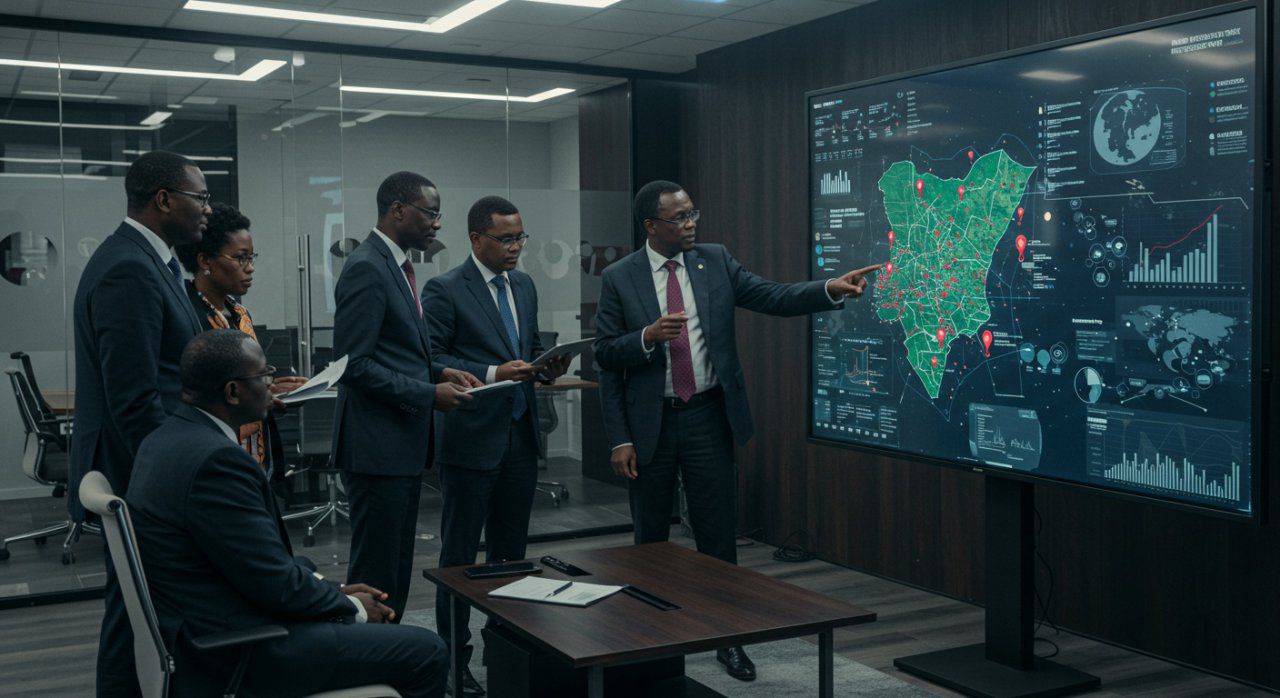
Developing transportation infrastructure in a bustling metropolis like Nairobi faces numerous challenges. Securing adequate funding is often a primary concern, requiring innovative financing models and strong investor confidence. Land acquisition can be a complex and time-consuming process. Environmental impact assessments and mitigation strategies are crucial for sustainable development. Furthermore, coordinating multiple projects and stakeholders, including government agencies, private developers, and the public, requires careful management. Fortisure Consulting specializes in navigating these complexities. We help clients develop compelling business cases, engage effectively with regulatory bodies, and manage stakeholder expectations. Our expertise ensures that challenges are addressed proactively, keeping projects on track.
Fortisure Consulting's Strategic Pipeline Approach
Fortisure Consulting offers a comprehensive strategy for the transportation infrastructure pipeline development. We start by understanding the unique context of Nairobi and Kenya's broader development agenda. Our team conducts thorough needs assessments and market analyses to identify high-impact projects. We employ advanced modeling and simulation tools to evaluate project performance and optimize network integration. Strategic prioritization is based on a multi-criteria decision analysis, considering economic, social, and environmental factors. We also focus on building capacity within client organizations to manage the pipeline effectively. Our holistic approach ensures that the pipeline is not just a list of projects, but a dynamic, resilient framework for enhancing transportation in Nairobi.
Benefits of a Well-Managed Transportation Pipeline
A well-managed transportation infrastructure pipeline offers significant benefits to Nairobi and Kenya. It ensures timely delivery of critical infrastructure, reducing congestion and improving economic productivity. Enhanced connectivity facilitates trade, tourism, and urban development. It also improves access to essential services for citizens, boosting quality of life. Furthermore, a clear pipeline attracts investment, both domestic and international, fostering job creation and economic growth. Fortisure Consulting's expert guidance ensures that these benefits are realized efficiently and sustainably. We help clients maximize the impact of their transportation investments.
The Future of Transportation in Nairobi
The future of transportation in Nairobi is poised for significant transformation, driven by advancements in technology and a growing emphasis on sustainability. The transportation infrastructure pipeline must incorporate smart mobility solutions, electric vehicle infrastructure, and integrated public transport networks. Increased focus on non-motorized transport, like cycling and walking, will also be crucial. Public-private partnerships will continue to be vital for financing and delivering large-scale projects. Fortisure Consulting is committed to helping Nairobi build a future-ready transportation system. We aim to support the development of infrastructure that is efficient, sustainable, and accessible to all residents of Kenya's capital.