The Critical Role of Transportation Infrastructure in Nairobi
Nairobi, as Kenya's economic hub, relies heavily on efficient transportation networks to fuel its growth and connectivity. Identifying and developing new transportation infrastructure project discovery is vital for sustainable urban development. This involves uncovering opportunities in roads, public transit, aviation, and logistics that can alleviate congestion, improve accessibility, and boost economic activity. Fortisure Consulting specializes in navigating the complexities of this sector. We provide expert services to help stakeholders identify, evaluate, and engage with crucial transportation projects, ensuring Nairobi remains a competitive and accessible city.
Identifying Opportunities in Nairobi's Transport Sector
Effective transportation infrastructure project discovery begins with a deep understanding of Nairobi's current needs and future aspirations. This includes analyzing traffic patterns, population growth projections, and economic development goals. Opportunities often arise in expanding existing road networks, developing new public transport systems like light rail or bus rapid transit, improving airport capacity, and enhancing logistics and freight infrastructure. Fortisure Consulting conducts thorough market analysis and stakeholder consultations. We help identify projects that offer the greatest potential impact and align with Kenya's national development plans.

Key Areas of Transportation Development
The scope of transportation infrastructure is broad, encompassing several key areas crucial for Nairobi's progress. Road infrastructure includes the construction and upgrading of highways, expressways, and urban roads, alongside traffic management systems. Public transport involves enhancing bus networks, exploring rail expansion, and improving pedestrian and cycling facilities. Aviation infrastructure focuses on airport expansion and modernization. Logistics and freight development, including dry ports and warehousing, are also critical for trade efficiency. Fortisure Consulting provides insights across all these domains, supporting comprehensive project discovery.
Feasibility Studies and Due Diligence
Once potential projects are identified, rigorous feasibility studies and due diligence are essential. This involves assessing technical viability, economic benefits, environmental impact, and social considerations. Financial modeling helps determine project costs, funding sources, and potential returns on investment. Understanding regulatory requirements and obtaining necessary permits are also critical steps. Fortisure Consulting offers comprehensive feasibility and due diligence services. We provide the data and analysis needed to make informed decisions about proceeding with transportation projects in Nairobi.
Navigating the Procurement and Funding Landscape
Securing funding and navigating the procurement process are often the most challenging aspects of transportation infrastructure development. Projects typically require significant capital, sourced through government budgets, private investment, public-private partnerships (PPPs), or international development aid. Understanding the various procurement models and requirements is crucial for successful engagement. Fortisure Consulting assists clients in identifying funding opportunities and navigating complex procurement procedures. We help prepare bid documents and structure financing arrangements to secure the necessary resources for projects in Nairobi.
The Role of Technology in Project Discovery
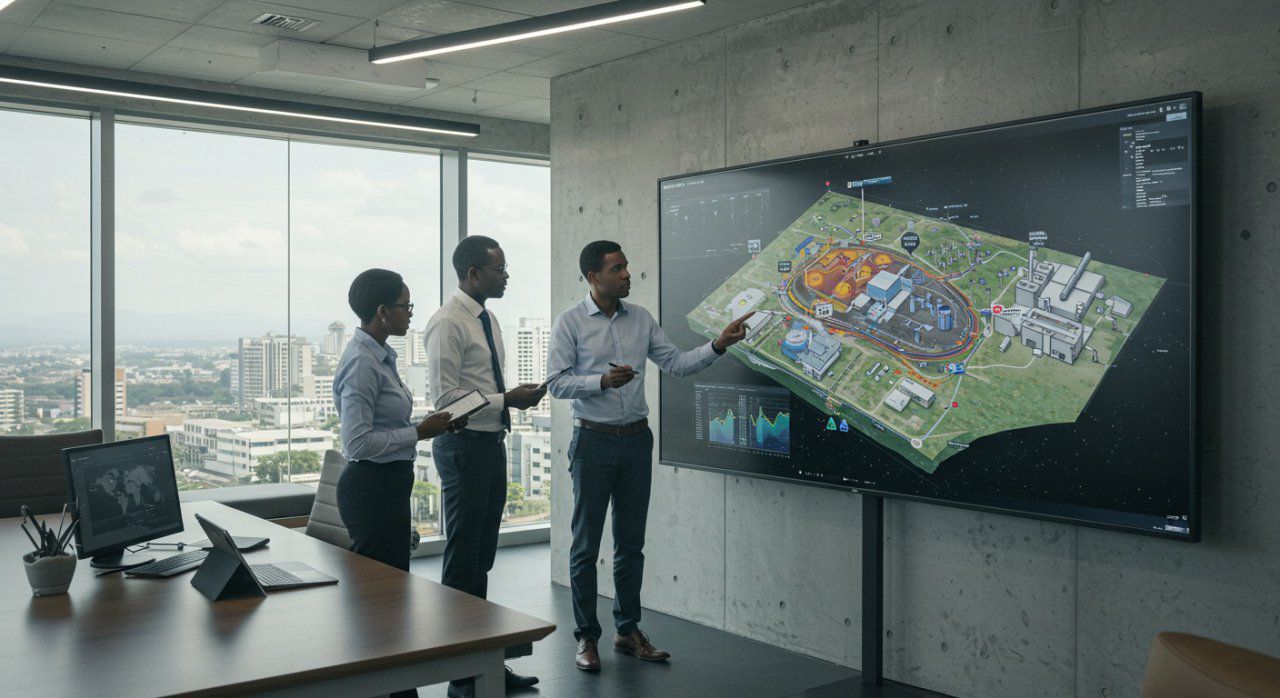
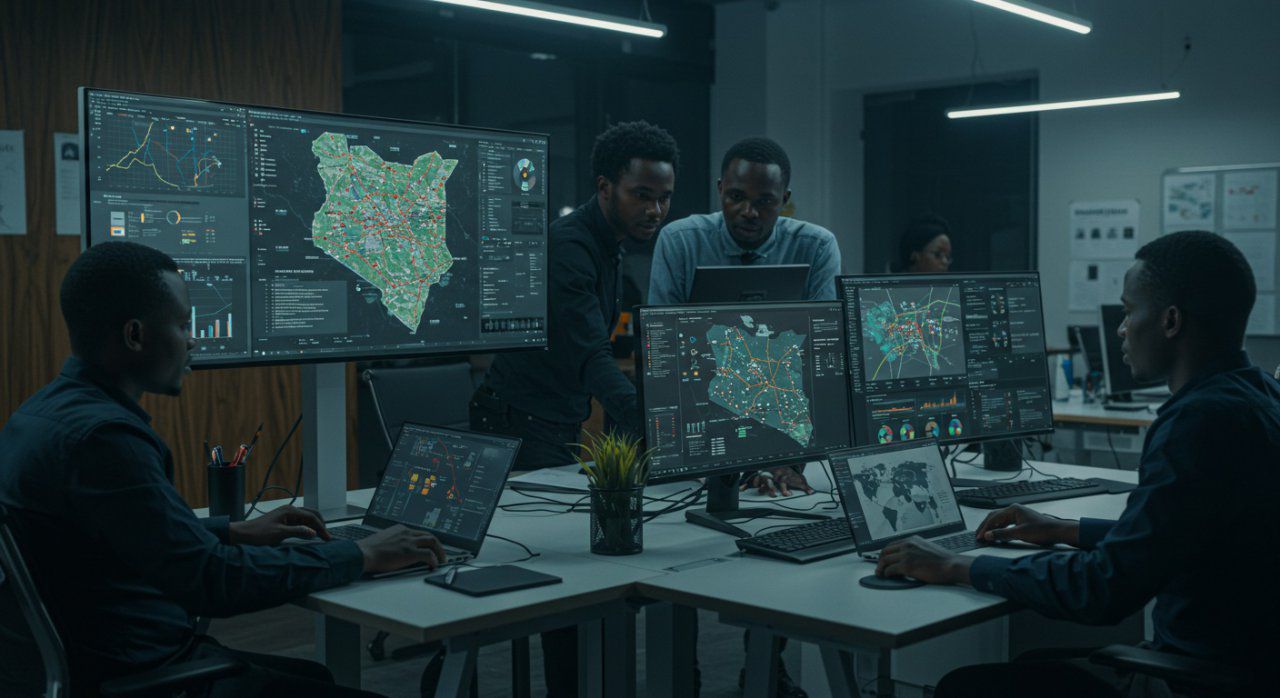
Technology significantly enhances transportation infrastructure project discovery. Advanced data analytics can process vast amounts of traffic and demographic data to pinpoint areas of greatest need. GIS mapping tools help visualize potential routes and assess land suitability. Digital platforms and databases provide access to information on planned government projects and funding initiatives. Fortisure Consulting leverages these technologies to provide a more efficient and accurate discovery process. We help clients stay ahead of the curve by identifying emerging opportunities in Nairobi's evolving transportation landscape.
Partnering for Sustainable Transportation Solutions
Developing sustainable transportation infrastructure is key to Nairobi's future. This involves prioritizing projects that reduce environmental impact, promote inclusivity, and enhance long-term economic viability. Choosing the right partners, from consultants to contractors, is crucial for achieving these goals. Fortisure Consulting is committed to fostering sustainable development. We work with stakeholders to ensure that transportation projects not only meet immediate needs but also contribute positively to the environment and community well-being in Kenya.