
Understanding the Critical Role of Supply Chain in Infrastructure
In the dynamic landscape of infrastructure development in Nairobi, Kenya, the efficiency of the supply chain is paramount. Effective infrastructure supply chain consulting ensures that materials, equipment, and services are delivered on time and within budget. This critical function underpins the success of any major project, from roads and bridges to energy facilities and public buildings. Without robust supply chain management, projects face delays, cost overruns, and compromised quality. Fortisure Consulting provides specialized expertise to navigate these complexities. We help clients optimize their procurement processes for maximum efficiency. Our strategic approach minimizes risks and enhances project outcomes. Trust us to be your partner in building a stronger infrastructure for Kenya.
The Pillars of Effective Infrastructure Supply Chains
A robust infrastructure supply chain relies on several key pillars. These include strategic sourcing, efficient logistics, inventory management, and risk mitigation. Strategic sourcing involves identifying and vetting reliable suppliers for materials and services. This ensures quality and competitive pricing. Efficient logistics are crucial for timely delivery to project sites across Nairobi and beyond. It involves planning transportation routes and modes to avoid delays. Effective inventory management prevents stockouts and minimizes holding costs. Risk mitigation strategies are essential to address potential disruptions. These can include geopolitical instability, natural disasters, or supplier failures. Our infrastructure supply chain consulting services focus on strengthening each of these pillars. We analyze your current operations to identify areas for improvement. This comprehensive approach ensures your projects remain on track and within financial parameters. We are committed to delivering value through optimized supply chain practices.

Challenges in Nairobi's Infrastructure Supply Chain
Nairobi's rapid growth presents unique challenges for infrastructure supply chains. Congested urban areas can lead to significant transportation delays. The demand for construction materials often outstrips local supply capabilities. This necessitates complex import and export logistics. Furthermore, navigating regulatory frameworks and customs procedures can be time-consuming. Identifying and managing a diverse range of suppliers requires considerable effort. Ensuring ethical sourcing and environmental compliance adds another layer of complexity. Fortisure Consulting understands these local nuances. Our infrastructure supply chain consulting expertise is tailored to the Kenyan context. We help clients overcome these hurdles with practical, effective solutions. Our goal is to streamline your operations and enhance project delivery timelines.
Fortisure Consulting's Approach to Supply Chain Optimization

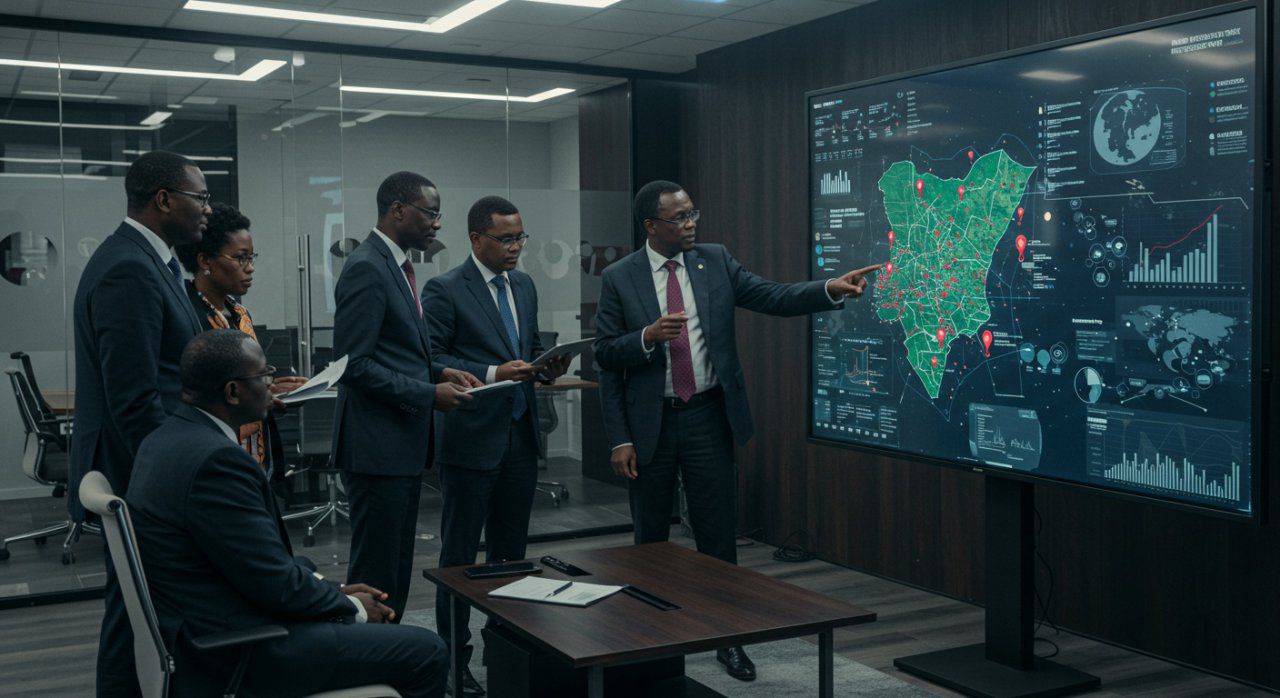
At Fortisure Consulting, our approach to supply chain optimization is holistic and data-driven. We begin with a thorough assessment of your existing supply chain processes. This includes analyzing supplier performance, logistics networks, and inventory levels. We identify bottlenecks and inefficiencies that impact project timelines and budgets. Our strategies are customized to meet the specific needs of each client and project. We leverage advanced analytics and industry best practices. Our team works collaboratively with your internal teams. This ensures seamless integration and successful implementation of recommended changes. We focus on building resilient and agile supply chains. This adaptability is key to navigating the unpredictable nature of infrastructure development. Our ultimate aim is to enhance your competitive advantage and project success.
Technology and Innovation in Infrastructure Supply Chains
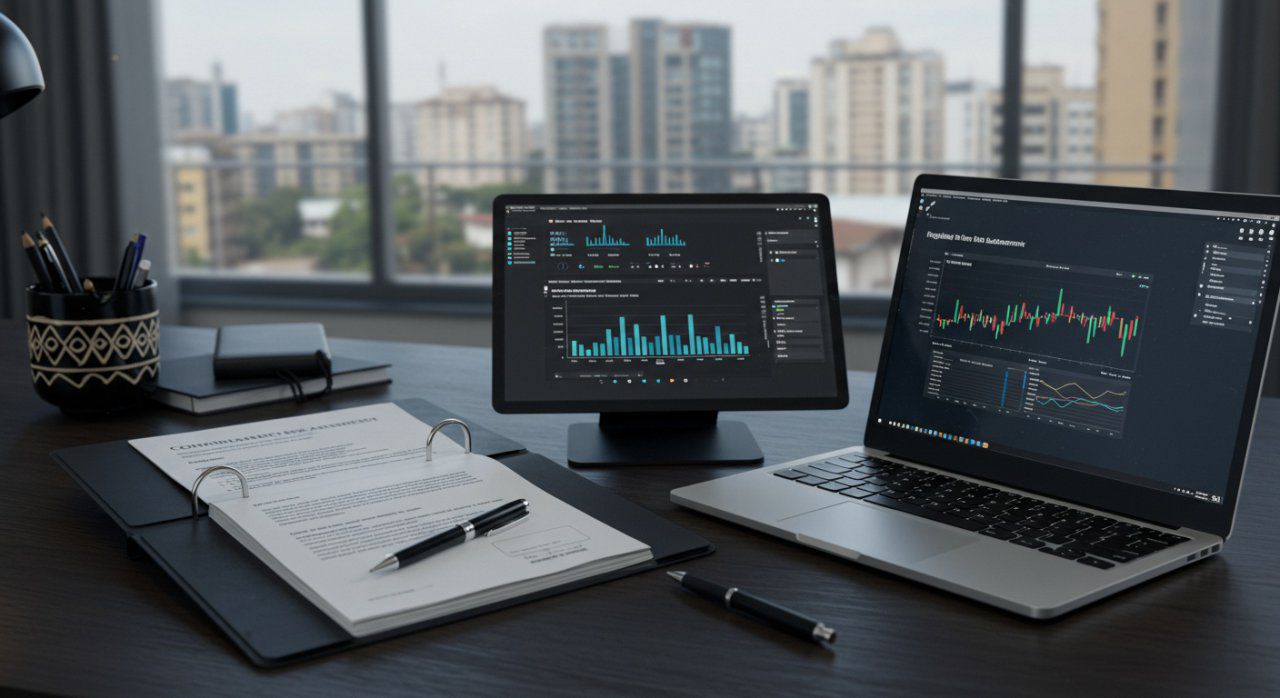
Technology plays an increasingly vital role in modern infrastructure supply chains. Advanced software solutions can provide real-time visibility into inventory and shipments. This allows for better decision-making and proactive problem-solving. The use of data analytics helps in forecasting demand and optimizing resource allocation. Emerging technologies like blockchain offer potential for enhanced transparency and security in transactions. Internet of Things (IoT) devices can monitor the condition and location of goods in transit. This improves tracking and reduces the risk of loss or damage. Fortisure Consulting stays abreast of these technological advancements. We help our clients integrate innovative solutions into their supply chain operations. This digital transformation leads to greater efficiency and cost savings. Embracing technology is crucial for staying ahead in the competitive infrastructure sector.
Risk Management and Resilience in Supply Chains
Building resilience into infrastructure supply chains is critical for long-term success. This involves identifying potential risks and developing contingency plans. Risks can range from natural disasters and political instability to economic fluctuations and pandemics. A key aspect of resilience is diversifying the supplier base. Relying on a single supplier can create significant vulnerabilities. Establishing strong relationships with multiple, reliable vendors mitigates this risk. Robust inventory management strategies are also important. Maintaining adequate buffer stocks can help cushion against unexpected disruptions. Fortisure Consulting specializes in developing comprehensive risk management frameworks. Our infrastructure supply chain consulting helps you anticipate and prepare for potential challenges. We ensure your projects can withstand unforeseen events and continue to progress smoothly.
Partnering for Success in Nairobi's Infrastructure Growth
Nairobi's infrastructure development is on an upward trajectory. Fortisure Consulting is dedicated to supporting this growth. We provide unparalleled infrastructure supply chain consulting services to developers, contractors, and government agencies. Our deep understanding of the local market, combined with global best practices, sets us apart. We help clients optimize their operations, reduce costs, and enhance project delivery. By partnering with us, you gain access to a team of experts committed to your success. We ensure your supply chain is a strategic asset, not a liability. Let us help you build the future of Nairobi, one efficiently managed supply chain at a time. Contact Fortisure Consulting for a consultation today.