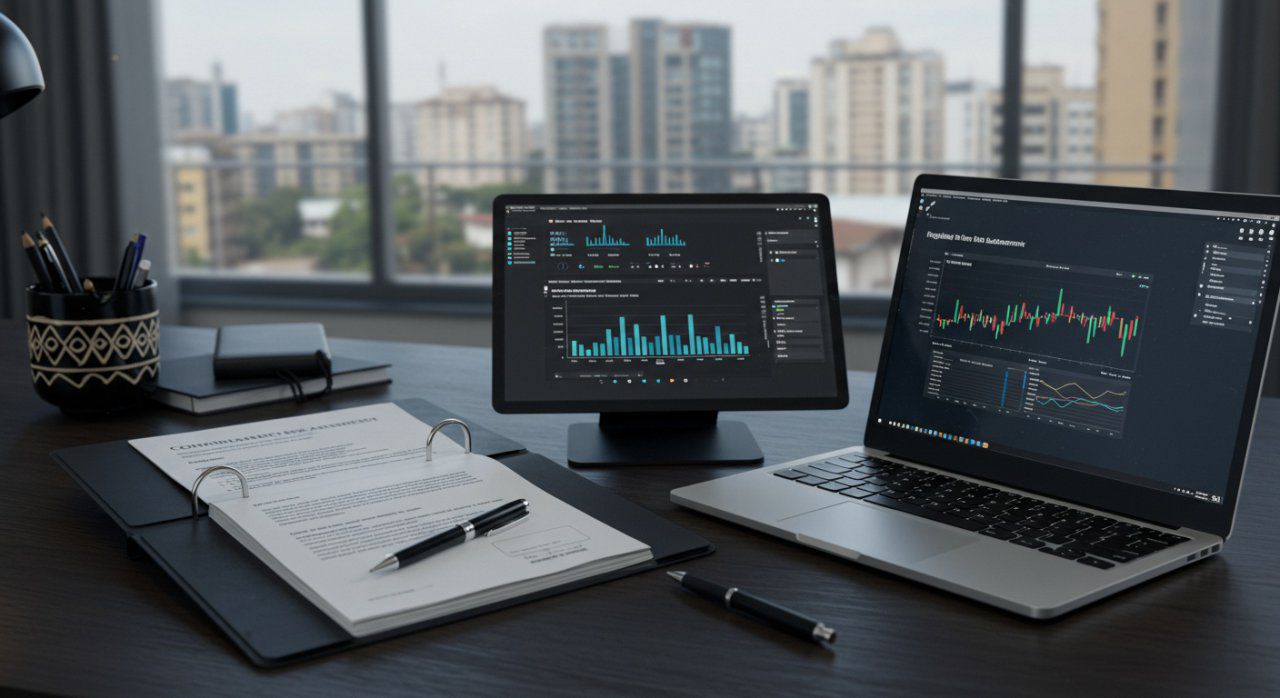
Understanding Risks in Manufacturing Procurement
The manufacturing sector in Nairobi, Kenya, faces numerous potential risks within its procurement processes. These risks can disrupt production, increase costs, and damage brand reputation. Effective manufacturing procurement risk management is therefore crucial for operational stability and long-term success. From sourcing raw materials to acquiring machinery, every step carries potential vulnerabilities. Fortisure Consulting specializes in identifying, assessing, and mitigating these risks. We help Nairobi-based manufacturers build resilient supply chains. Our expertise ensures your procurement operations are secure and efficient, safeguarding your business against unforeseen challenges.
Identifying Key Procurement Risks in Manufacturing
Several key risks commonly affect manufacturing procurement. Supply chain disruptions are a major concern, caused by factors like geopolitical instability, natural disasters, or supplier failures. Price volatility for raw materials can significantly impact budgets and profitability. Quality control issues are another significant risk; substandard inputs lead to defective products and increased waste. Supplier dependency creates vulnerability if a key supplier faces issues. Furthermore, compliance risks arise from failing to meet regulatory standards or ethical sourcing requirements. Understanding these potential pitfalls is the first step in effective manufacturing procurement risk management. Fortisure Consulting helps you map out these risks specific to your Nairobi operations.

Strategies for Mitigating Supply Chain Disruptions
Mitigating supply chain disruptions requires proactive strategies. Diversifying your supplier base is essential. Avoid relying too heavily on a single source, especially for critical components. Developing relationships with multiple suppliers across different geographic regions can enhance resilience. Maintaining strategic inventory levels can buffer against short-term shortages. Implementing robust communication channels with suppliers ensures early warnings of potential issues. Contingency planning is also vital; have backup suppliers or alternative logistics options ready. An effective manufacturing procurement risk management plan incorporates these elements to ensure continuity.
Managing Price Volatility and Cost Overruns

Price volatility in raw materials and components can wreak havoc on manufacturing budgets. To manage this, consider long-term contracts with suppliers that include price stabilization clauses. Hedging strategies can also be employed for key commodities. Thorough market analysis and forecasting can help anticipate price fluctuations. Negotiating favourable payment terms can improve cash flow management during periods of price uncertainty. Implementing rigorous cost control measures throughout the procurement process is also essential. Fortisure Consulting assists Nairobi manufacturers in developing strategies to navigate these economic challenges effectively.
Ensuring Quality and Supplier Compliance
Maintaining high quality standards is paramount in manufacturing. This requires stringent quality control measures for all incoming materials and components. Establishing clear quality specifications and conducting regular supplier audits are crucial. Implementing a robust supplier vetting process helps ensure partners meet your standards. Compliance risks, including regulatory adherence and ethical sourcing, must also be addressed. This involves verifying suppliers' practices and ensuring they align with your company's values and legal obligations. Effective manufacturing procurement risk management includes building a strong, quality-focused supplier network.
The Role of Technology in Risk Mitigation
Technology plays a vital role in modern risk management for manufacturing procurement. Supply chain visibility tools provide real-time tracking of goods and potential disruptions. Procurement analytics software can identify spending patterns and highlight areas of risk. Risk assessment platforms help evaluate supplier stability and compliance. Automation of routine procurement tasks reduces the potential for human error. Implementing appropriate technologies can significantly enhance your ability to anticipate and respond to risks. Fortisure Consulting advises on integrating these solutions for better risk mitigation in Nairobi.
Partnering for Enhanced Risk Management
Fortisure Consulting offers specialized expertise in manufacturing procurement risk management for businesses in Nairobi, Kenya. We help you identify vulnerabilities and implement robust mitigation strategies. Our goal is to build resilient and efficient procurement operations for your manufacturing business. We provide tailored solutions that address your specific challenges. Partner with us to protect your supply chain, control costs, and ensure sustained operational success. Let our expertise safeguard your manufacturing future.