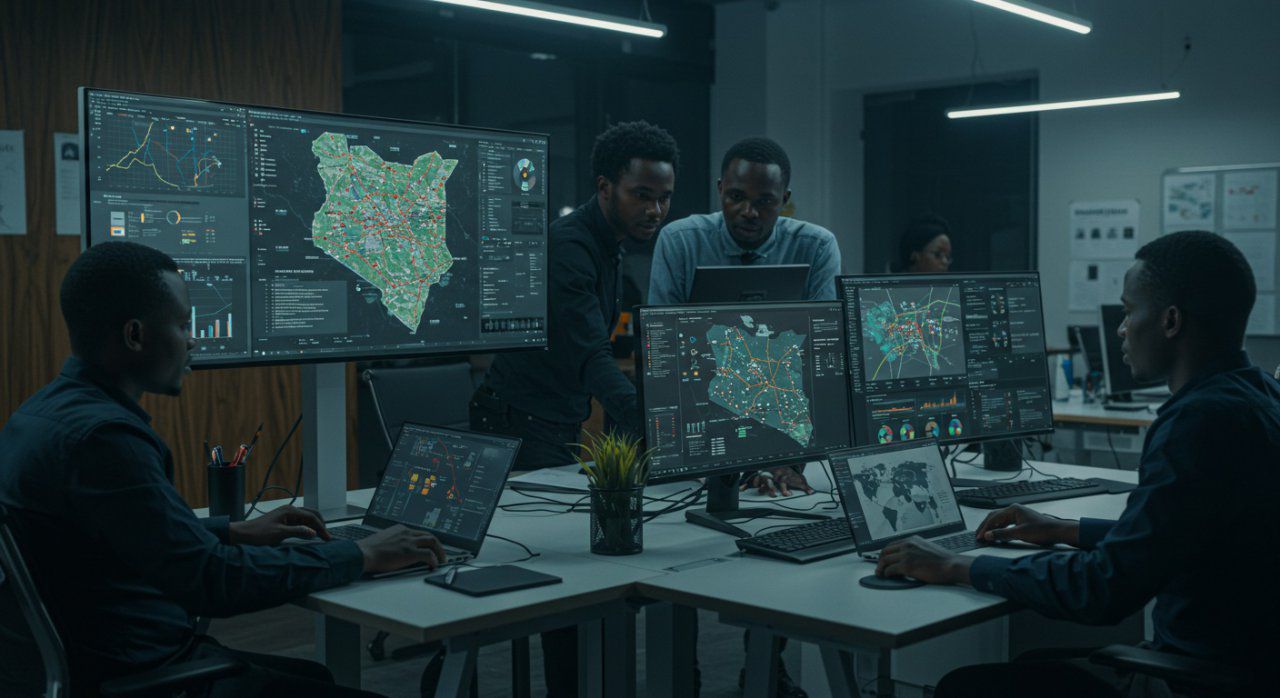
Navigating the Complexities of Tech Infrastructure Procurement
In today's rapidly evolving digital landscape, securing the right technology infrastructure is paramount for business success in Nairobi, Kenya. Implementing robust procurement best practices tech infrastructure ensures that organizations acquire solutions that are not only cutting-edge but also cost-effective and aligned with strategic goals. Without a structured approach, businesses risk overspending, acquiring unsuitable technology, or facing significant delays. Fortisure Consulting specializes in guiding Kenyan businesses through these challenges, ensuring optimal outcomes. We understand the unique market dynamics and the critical need for reliable technology in driving growth and operational efficiency. Our expertise helps bridge the gap between technological needs and procurement realities, making us a trusted partner for Nairobi's leading enterprises.
Defining and Understanding Tech Infrastructure Procurement
Tech infrastructure procurement involves the entire process of acquiring hardware, software, networking equipment, and related services. This includes everything from initial needs assessment and market research to vendor selection, contract negotiation, and implementation oversight. Adhering to procurement best practices tech infrastructure means establishing clear objectives, defining technical specifications meticulously, and understanding the total cost of ownership. In Nairobi, many businesses are looking to upgrade their systems to remain competitive. This often involves cloud solutions, cybersecurity tools, and advanced data management systems. A well-defined procurement strategy is the foundation for successful technology adoption. It ensures that investments in technology directly support business objectives and provide a tangible return. Fortisure Consulting helps clients in Kenya develop these foundational strategies, ensuring every purchase serves a purpose and contributes to long-term success and sustainability.
Key Elements of Procurement Best Practices
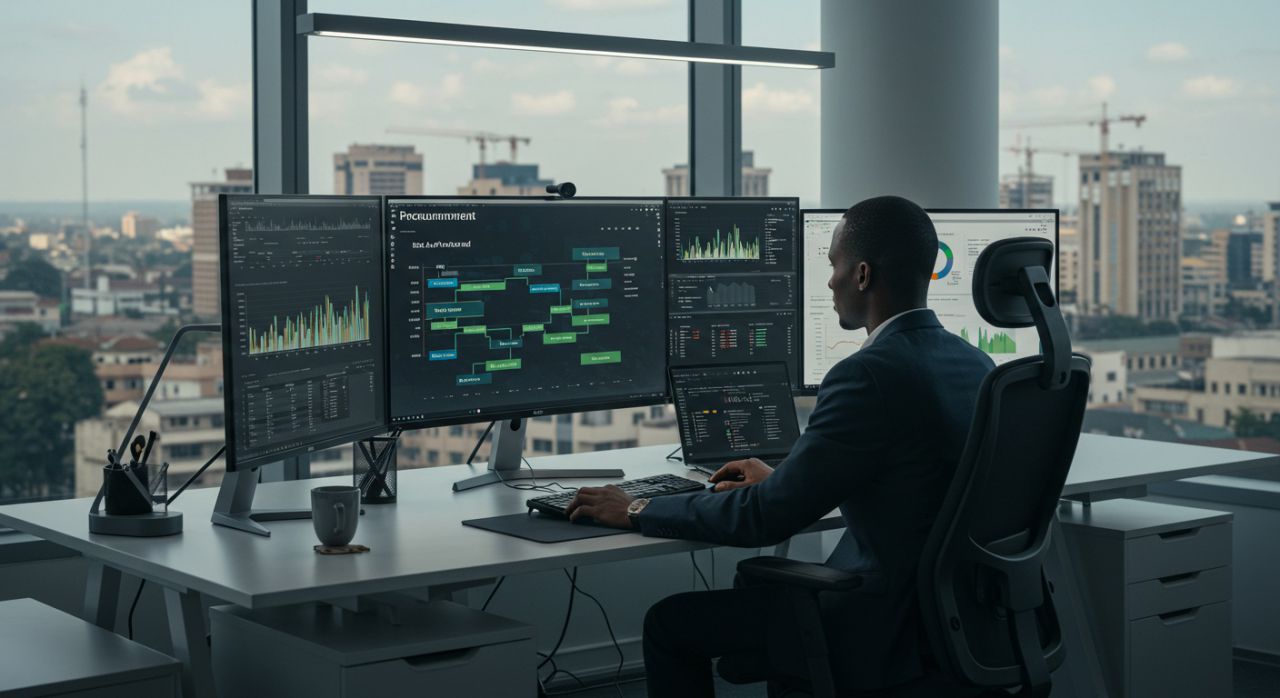
Effective procurement best practices tech infrastructure encompass several core elements. Transparency is crucial; all processes should be clear and auditable. Strategic sourcing involves identifying and engaging with the most suitable suppliers who offer value and reliability. Rigorous vendor evaluation ensures that partners meet technical, financial, and ethical standards. Competitive bidding processes, where applicable, drive better pricing and terms. Furthermore, contract management is vital for ensuring compliance and managing relationships post-acquisition. Risk assessment and mitigation planning are also integral to avoiding disruptions. For businesses in Nairobi, understanding these practices helps in building resilient and efficient technology ecosystems. Fortisure Consulting assists in implementing these best practices, from initial strategy to final contract execution, ensuring Kenyan businesses achieve superior results in their tech acquisitions.
The Role of Technology in Modern Procurement
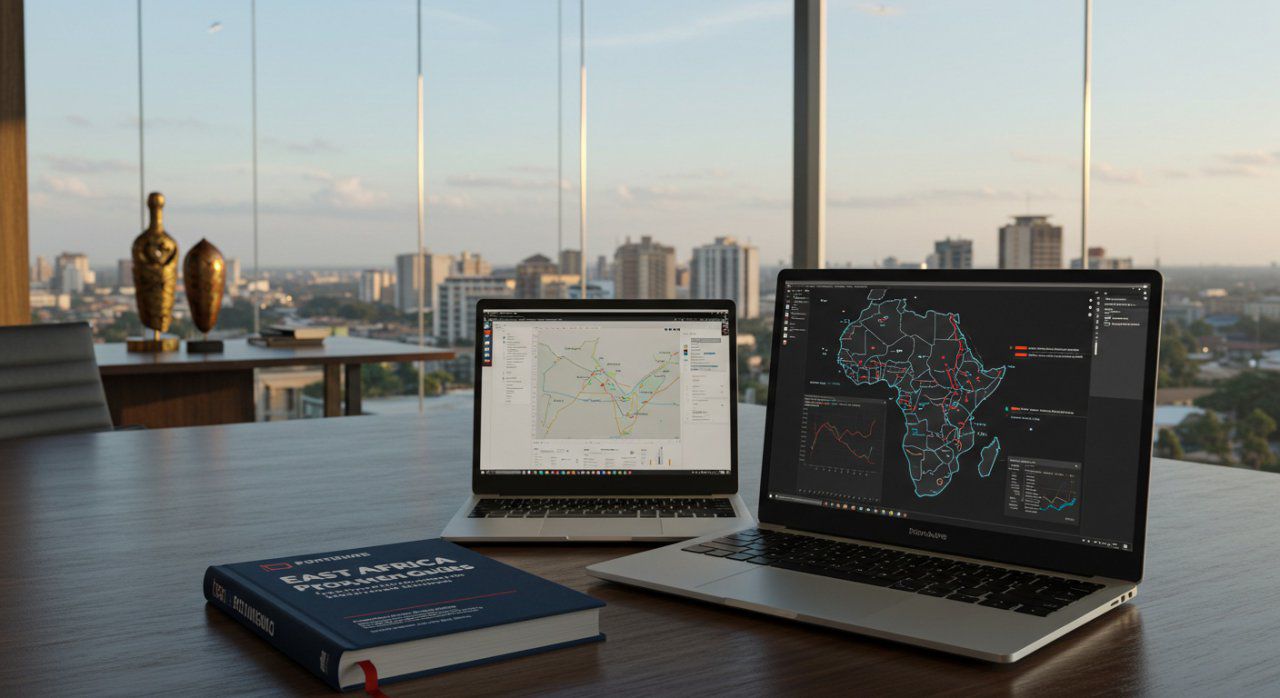
Technology itself plays a transformative role in modern procurement. Procurement software solutions, e-sourcing platforms, and spend analytics tools provide unprecedented visibility and control. These technologies automate repetitive tasks, streamline workflows, and enable data-driven decision-making. For instance, e-procurement systems can reduce cycle times significantly. Predictive analytics can help forecast future needs and market trends. In Nairobi, the adoption of such technologies is growing as companies seek greater efficiency. Leveraging technology within procurement processes enhances accuracy, reduces errors, and frees up valuable resources. This allows procurement teams to focus on more strategic initiatives, such as supplier relationship management and innovation. Fortisure Consulting champions the integration of technology into procurement functions, empowering Kenyan businesses to operate more intelligently and effectively.
Challenges in Tech Infrastructure Procurement in Kenya
Kenyan businesses face unique challenges in tech infrastructure procurement. These can include fluctuating currency exchange rates impacting import costs, limited availability of specialized technical support locally, and evolving regulatory landscapes. Rapid technological obsolescence also poses a risk, where investments can quickly become outdated. Ensuring data security and compliance with privacy laws is another growing concern. Furthermore, navigating the complexities of international vendor agreements and ensuring local support infrastructure is in place requires specialized knowledge. Fortisure Consulting understands these specific hurdles within the Kenyan market. We provide tailored advisory services to help clients overcome these obstacles, ensuring their technology investments are sound and future-proof.
Leveraging Expertise for Optimal Outcomes
Engaging with expert procurement advisors like Fortisure Consulting is essential for navigating the complexities of tech infrastructure acquisition. We bring deep industry knowledge and a proven track record to the table. Our services cover the entire procurement lifecycle, from defining requirements and developing tender documents to evaluating bids and negotiating contracts. We help clients identify the best-fit technologies and vendors that align with their specific business needs and budget constraints in Nairobi. By applying rigorous procurement best practices tech infrastructure, we ensure that our clients achieve not only cost savings but also enhanced operational efficiency and a stronger competitive advantage. Partnering with us means gaining access to specialized expertise that minimizes risk and maximizes the return on technology investments.
The Future of Tech Procurement in Nairobi
The future of tech infrastructure procurement in Nairobi is increasingly focused on agility, sustainability, and innovation. As the digital economy in Kenya continues to expand, demand for advanced solutions will only grow. We anticipate a greater emphasis on cloud-native architectures, AI-driven procurement tools, and cybersecurity resilience. Sustainable procurement practices, considering the environmental impact of technology, will also gain prominence. Businesses will need to be more adaptable, capable of rapidly integrating new technologies and responding to market shifts. Fortisure Consulting is at the forefront of these trends, helping Nairobi-based companies prepare for the future. We guide them in adopting forward-thinking strategies that ensure their technology infrastructure remains a powerful asset for growth and innovation in the years to come.