Evaluating Infrastructure Investment Potential
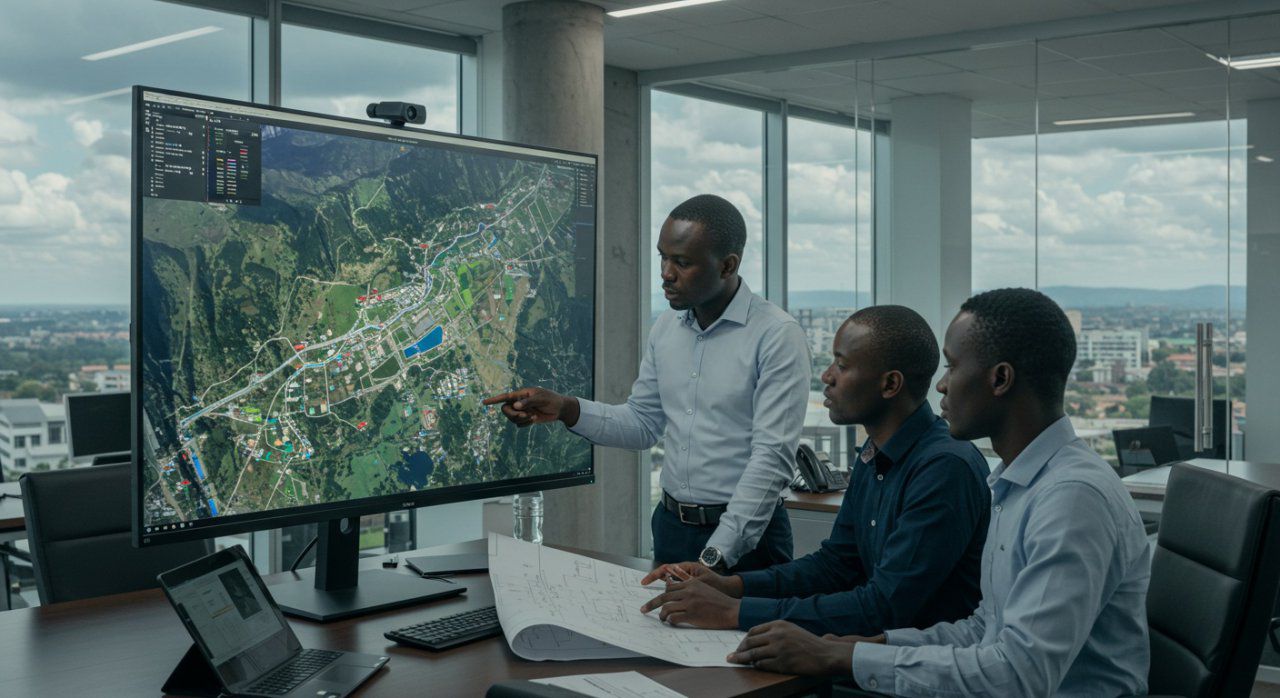
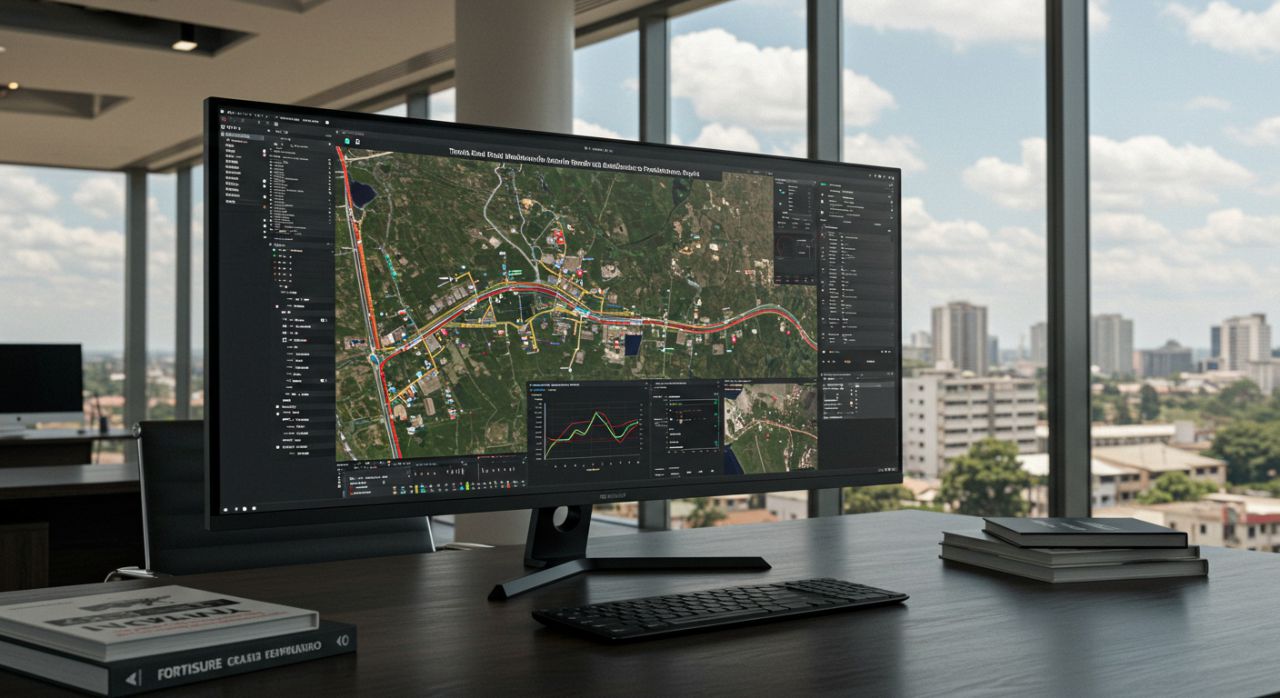
Developing robust agricultural infrastructure is the key to unlocking Kenya's full economic potential. Our agricultural infrastructure market feasibility study provides the critical analysis required for large-scale projects. We assess technical, financial, and environmental viability for stakeholders across the region. Every agricultural infrastructure market feasibility study we conduct is grounded in rigorous data and local insights. We help you understand the risks and rewards before capital deployment. Our team in Nairobi brings deep expertise to every agricultural infrastructure market feasibility study, ensuring project success. We evaluate everything from storage facilities to transport networks. Let Fortisure Consulting be your partner in building the future of agriculture. Our agricultural infrastructure market feasibility study offers a clear roadmap for project implementation. We focus on providing actionable recommendations that lead to sustainable outcomes. Trust our professionals to deliver the high-quality analysis your project demands for long-term viability.
Technical Assessment of Infrastructure Projects
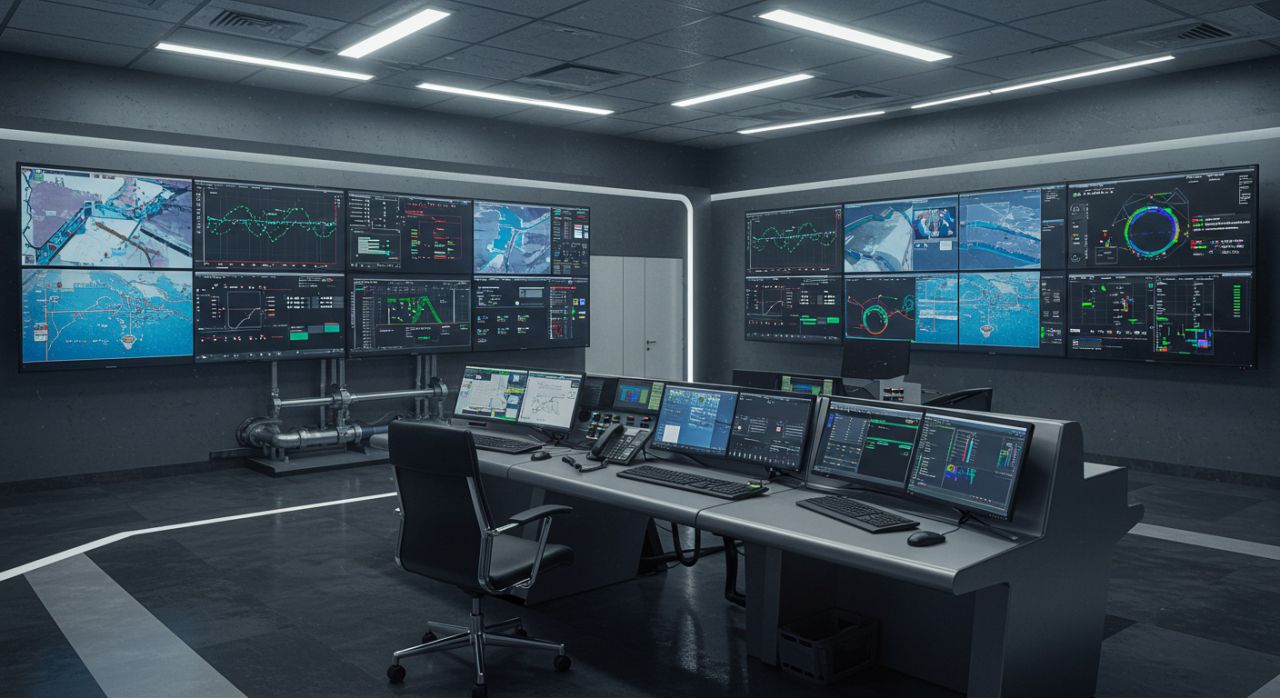
A technical assessment is the foundation of any viable project. We evaluate the physical requirements for storage, processing, and transportation infrastructure. Our agricultural infrastructure market feasibility study includes a thorough review of site conditions and local engineering standards. We analyze the capacity requirements based on projected crop volumes. Our team examines the availability of materials and labor in the Nairobi area. We also look at the integration of modern technology into the physical design. This includes energy systems, water management, and automated handling equipment. We ensure that the design is both functional and scalable. Our technical experts focus on identifying potential engineering challenges early in the process. We provide recommendations for optimizing the layout to maximize efficiency. Furthermore, we assess the long-term maintenance requirements for the proposed facilities. By conducting a detailed technical review, we mitigate the risk of costly redesigns later. We ensure that your infrastructure project is built to handle the demands of the modern agricultural sector.
Financial Feasibility and ROI Analysis
Financial viability is the ultimate test for any infrastructure investment. Our agricultural infrastructure market feasibility study includes a comprehensive financial model. We project costs, including capital expenditure and operational expenses. We also estimate revenue streams based on market demand and service fees. Our team performs sensitivity analysis to account for potential market volatility. This helps you understand how different scenarios impact your return on investment. We compare the project against industry benchmarks to ensure realistic expectations. Our financial analysis covers funding options and potential for public-private partnerships. We provide a clear breakdown of the break-even point and payback period. This data is essential for securing financing from banks or institutional investors. We also evaluate the impact of inflation and currency fluctuations on your project budget. By providing a detailed financial picture, we empower you to make informed investment decisions. Our goal is to ensure your project is not only technically sound but also financially sustainable. We bring clarity to complex investment landscapes.
Environmental and Social Impact Assessment

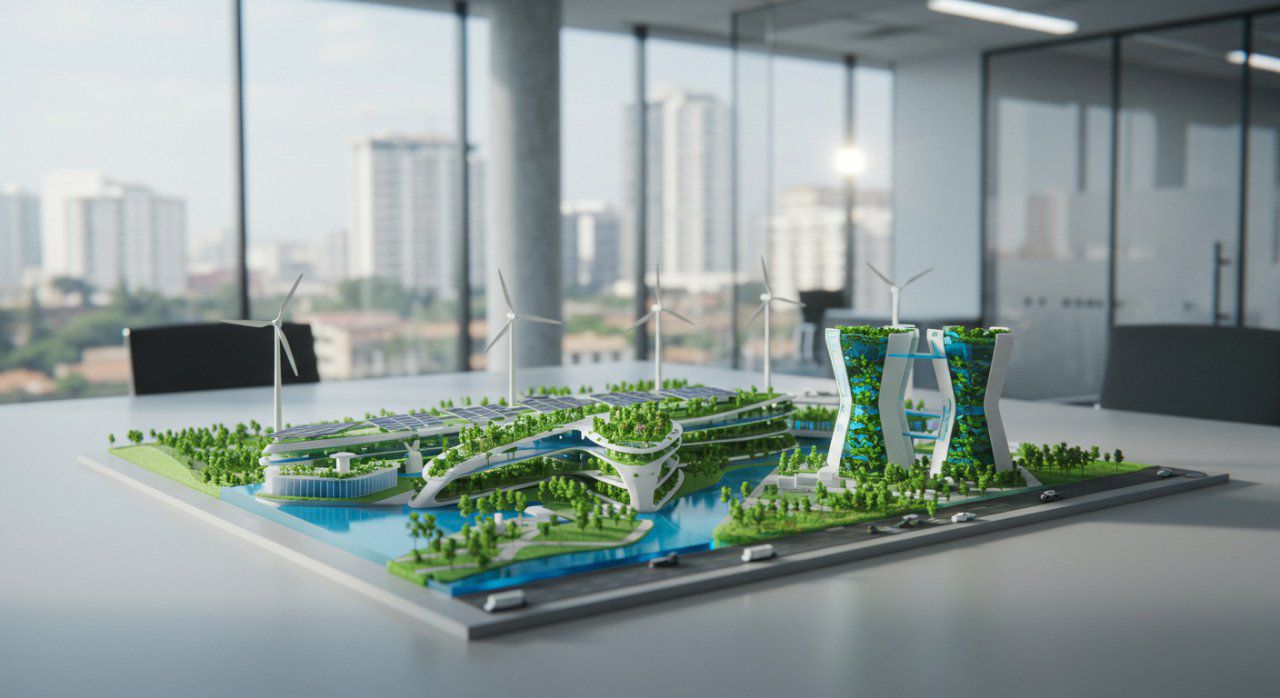
Modern infrastructure must be built with the environment and community in mind. We include an environmental and social impact assessment in our study. This covers the potential effects of construction and operation on the local ecosystem. We identify potential risks like soil degradation or water pollution. Our team also evaluates the social impact, including job creation and local community benefits. We ensure that your project complies with national environmental regulations. Our approach focuses on sustainable design practices that minimize negative impacts. We provide recommendations for mitigation strategies where necessary. This is critical for obtaining the required permits and social license to operate. We also analyze the long-term sustainability of the project in relation to climate change. By addressing these concerns early, we help you build a positive reputation. We believe that responsible infrastructure development is the only path to long-term success. Our assessment provides the assurance that your project meets modern standards of corporate responsibility.
Regulatory and Permitting Requirements
Navigating the regulatory landscape is often the most challenging part of infrastructure development. We provide a detailed guide to the permitting requirements in Nairobi. Our team identifies all necessary licenses, including land use permits and environmental clearances. We assess the timeline for these approvals and the potential for regulatory hurdles. We help you build a strategy for engaging with the relevant government agencies. Our advisory services ensure that you stay compliant throughout the project lifecycle. We monitor changes in land use policy that might impact your site. Our team also provides insights into local zoning laws and development standards. By managing the regulatory risk, we help you avoid unnecessary delays. We act as your advocate during the approval process. Our experience with local bureaucracies is a significant advantage for our clients. We provide a clear roadmap for compliance, ensuring that your project stays on schedule. We take the complexity out of the regulatory environment so you can focus on the technical and financial aspects.
Market Demand and Competitive Analysis
An infrastructure project is only as good as the market it serves. We analyze the demand for your proposed facilities among local producers and traders. Our study identifies the current gaps in the market. We evaluate the competition from existing facilities in the region. We look at pricing strategies and service offerings of rivals. Our team helps you identify the unique value proposition for your project. This includes assessing the potential for capturing market share through superior service or location. We provide a demand forecast based on regional crop production trends. We also examine the potential for attracting international trade partners. By understanding the market dynamics, we help you refine your service offerings. We make sure that your facility is built where it is needed most. Our analysis helps you tailor your project to the specific requirements of the local market. We provide the intelligence you need to ensure your infrastructure is fully utilized from day one. Market-driven design is the key to profitability.
Risk Management and Mitigation Strategies
Infrastructure projects are inherently complex and involve significant risks. We identify these risks early and develop strategies to mitigate them. This includes operational, financial, and regulatory risks. We perform a thorough risk assessment as part of our study. Our team develops contingency plans for potential delays or cost overruns. We analyze the impact of external factors like political instability or economic downturns. Our risk management framework is designed to provide you with peace of mind. We help you implement monitoring systems to track project performance. By proactively managing risk, we protect your capital and reputation. We provide recommendations for insurance coverage and legal protections. Our team is committed to ensuring your project remains resilient throughout its lifecycle. We believe that a well-managed project is a successful one. We provide the oversight and strategic guidance needed to navigate the challenges of large-scale infrastructure development. Our goal is to ensure your investment is secure and delivers consistent returns over the long term.