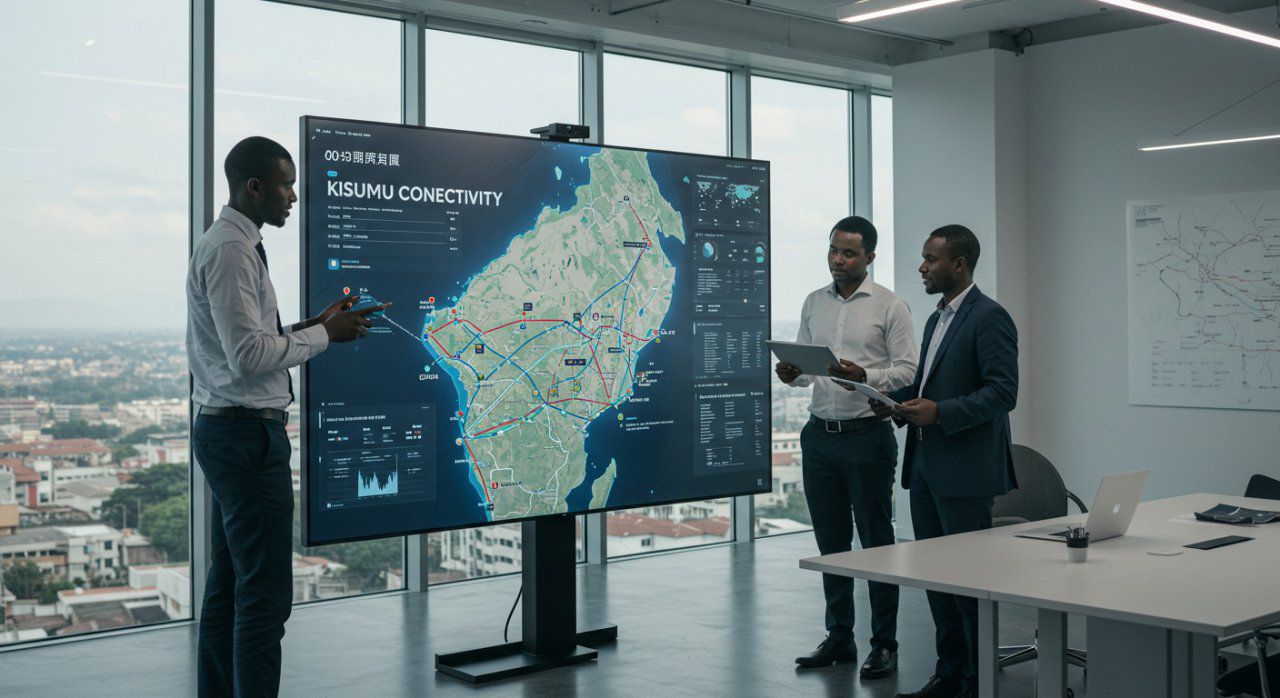
The Strategic Importance of Port Development
Port development is a cornerstone of international trade and economic growth, facilitating the movement of goods and services across borders. For Kenya, with its strategic location on the East African coast, robust port infrastructure is vital. Undertaking significant port development projects requires a thorough port development market risk assessment to ensure success and mitigate potential pitfalls. Fortisure Consulting, a leading infrastructure procurement advisory firm in Nairobi, specializes in identifying, analyzing, and recommending strategies to manage these risks. Our expertise helps stakeholders navigate the complexities associated with large-scale port projects, ensuring viability and maximizing returns on investment within the Kenyan context.
Why Risk Assessment is Crucial for Port Projects
A detailed port development market risk assessment is non-negotiable for projects of this scale and complexity. Ports are exposed to a wide array of risks, including market fluctuations, geopolitical instability, environmental challenges, and technological obsolescence. Understanding these risks upfront allows developers and investors to implement proactive mitigation strategies. This ensures project timelines are met, budgets are controlled, and the expected economic benefits are realized. Fortisure Consulting's Nairobi-based team brings localized knowledge and international best practices to this critical process. We help clients identify risks specific to the Kenyan operating environment, from regulatory hurdles to supply chain vulnerabilities.

Key Risk Categories in Port Development
Our port development market risk assessment typically categorizes risks into several key areas. Market risks include potential shifts in trade volumes, changes in shipping routes, and competition from other regional ports. Economic risks involve fluctuations in financing costs, currency exchange rates, and overall economic downturns affecting trade. Political and regulatory risks encompass changes in government policy, licensing issues, land acquisition challenges, and potential social unrest. Environmental risks involve climate change impacts, pollution concerns, and compliance with environmental regulations. Operational risks include construction delays, technological failures, labor issues, and security threats. Fortisure Consulting systematically evaluates each of these categories to provide a comprehensive risk profile for port development projects in Kenya.
Methodologies for Risk Assessment

Fortisure Consulting employs a robust methodology for conducting port development risk assessments. We combine quantitative analysis, such as financial modeling and sensitivity analysis, with qualitative assessments based on expert judgment and stakeholder consultations. Data collection involves reviewing feasibility studies, environmental impact assessments, market analyses, and regulatory frameworks relevant to port operations in Kenya. We conduct interviews with key stakeholders, including government officials, potential investors, shipping lines, logistics providers, and local communities in the project vicinity. Scenario planning and 'what-if' analyses are used to understand the potential impact of various risk events. This comprehensive approach ensures a thorough understanding of potential challenges.
Assessing Market Demand and Economic Viability
A core part of the port development market risk assessment involves evaluating market demand and economic viability. This includes forecasting future trade volumes, analyzing cargo types, and assessing the competitive positioning of the proposed port relative to existing and planned facilities in the region. Fortisure Consulting examines the potential impact of infrastructure linkages, such as road and rail networks connecting the port to hinterland markets. We assess the project's financial feasibility, including capital expenditure requirements, operational costs, revenue projections, and return on investment. Understanding these market dynamics is crucial for de-risking the investment and ensuring long-term sustainability for port projects in Kenya, particularly those connected to Nairobi's economic activity.
Mitigation Strategies and Risk Management Planning
Identifying risks is only the first step; developing effective mitigation strategies is paramount. Fortisure Consulting works with clients to create robust risk management plans. This may involve securing long-term contracts with key clients, diversifying cargo types, phasing project development to manage capital outlay, or investing in advanced security and environmental protection measures. For political and regulatory risks, strategies might include engaging proactively with government agencies and local communities. Insurance and hedging instruments can address certain financial risks. Our goal is to provide practical, actionable recommendations that minimize potential negative impacts and enhance the overall success of the port development project in Kenya.
Partnering for Successful Port Development
Engaging Fortisure Consulting for your port development market risk assessment provides access to specialized expertise and a proven track record. Our deep understanding of infrastructure projects, combined with our knowledge of the Kenyan market and regulatory landscape, ensures a thorough and insightful analysis. We are committed to helping our clients make sound investment decisions and execute complex port development projects successfully. Whether you are a government entity, a private investor, or an international developer, our advisory services can provide the critical risk intelligence needed to navigate challenges and unlock opportunities. Let us help you secure the future of your port development initiative in Kenya.