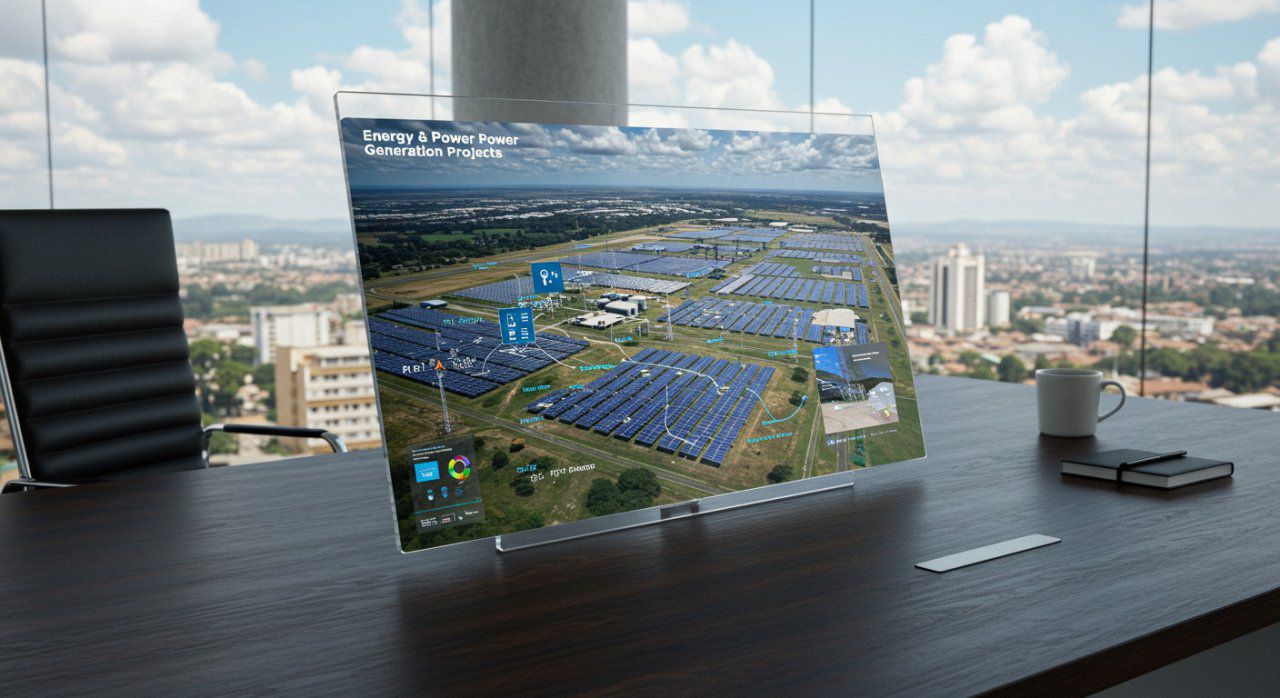
Understanding Innovation in Kenya's Energy Sector
The global energy sector is undergoing a profound transformation, driven by innovation. For businesses operating in Nairobi, Kenya, understanding the regional energy market innovation landscape is crucial for staying competitive and seizing new opportunities. This includes advancements in renewable energy technologies, energy storage solutions, smart grid development, and digital energy services. Fortisure Consulting provides expert analysis of these emerging trends and their implications for the Kenyan market. We help clients navigate this dynamic landscape, identify promising innovations, and develop strategies to capitalize on them for sustainable growth and enhanced energy security in Nairobi.
The Drivers of Energy Innovation
Several key drivers are shaping the regional energy market innovation landscape across Kenya and beyond. Growing concerns about climate change and the need for sustainable energy sources are pushing investment into renewables like solar and wind power. Technological advancements are making these sources more efficient and cost-effective. Furthermore, increasing energy demand, driven by economic growth in Nairobi, necessitates new solutions for generation, transmission, and distribution. Government policies and incentives also play a significant role in fostering innovation by creating a favorable environment for research, development, and adoption of new energy technologies.

Key Innovations in Renewable Energy
Renewable energy technologies are at the forefront of the innovation wave in the regional energy market. Solar power, particularly rooftop and utility-scale installations, is rapidly expanding in Kenya due to abundant sunlight. Innovations in solar panel efficiency and energy storage systems, such as advanced battery technologies, are making solar power more reliable and accessible for both urban centers like Nairobi and rural communities. Wind energy is also gaining traction, with ongoing development of wind farms. Furthermore, advancements in geothermal energy and biomass utilization are contributing to a more diversified and sustainable energy mix.
Smart Grids and Digitalization
The digitalization of the energy sector is another critical aspect of the innovation landscape. Smart grid technologies are transforming how electricity is delivered and consumed in Nairobi. These systems enable real-time monitoring, control, and optimization of the power grid, leading to improved reliability, reduced energy losses, and better integration of renewable sources. Advanced metering infrastructure (AMI), demand-response programs, and smart home energy management systems are empowering consumers and utilities alike. Fortisure Consulting helps businesses understand and leverage these digital innovations to enhance operational efficiency and customer engagement.
Energy Storage Solutions
Energy storage is a vital component for unlocking the full potential of renewable energy sources. Innovations in battery technology, including lithium-ion and emerging alternatives, are making energy storage more feasible and affordable. These solutions are crucial for stabilizing the grid, managing intermittent renewable generation, and providing backup power during outages in Nairobi. Beyond batteries, other storage technologies like pumped hydro and compressed air energy storage are also being explored within the regional context. Fortisure Consulting analyzes the evolving energy storage market to guide clients on optimal investment and deployment strategies.
Emerging Trends and Future Outlook
The regional energy market innovation landscape is constantly evolving. Emerging trends include the increasing focus on green hydrogen as a clean fuel source, the development of decentralized energy systems (like microgrids), and the use of artificial intelligence (AI) for grid management and energy forecasting. The integration of electric vehicles (EVs) and their charging infrastructure also presents new challenges and opportunities. Fortisure Consulting stays abreast of these developments, providing clients in Kenya with forward-looking insights to navigate future market shifts and technological disruptions effectively.
Partnering for Innovation in Energy
Staying ahead in the rapidly innovating energy sector requires strategic foresight and expert guidance. Fortisure Consulting offers specialized advisory services focused on the regional energy market innovation landscape. We help businesses in Nairobi understand emerging technologies, assess market opportunities, and develop strategies for adopting and capitalizing on innovation. Our deep understanding of the Kenyan energy sector enables us to provide tailored recommendations for sustainable growth and competitive advantage. Partner with Fortisure Consulting to navigate the future of energy.