The Future of Energy Projects in Nairobi: Embracing Virtual Reality
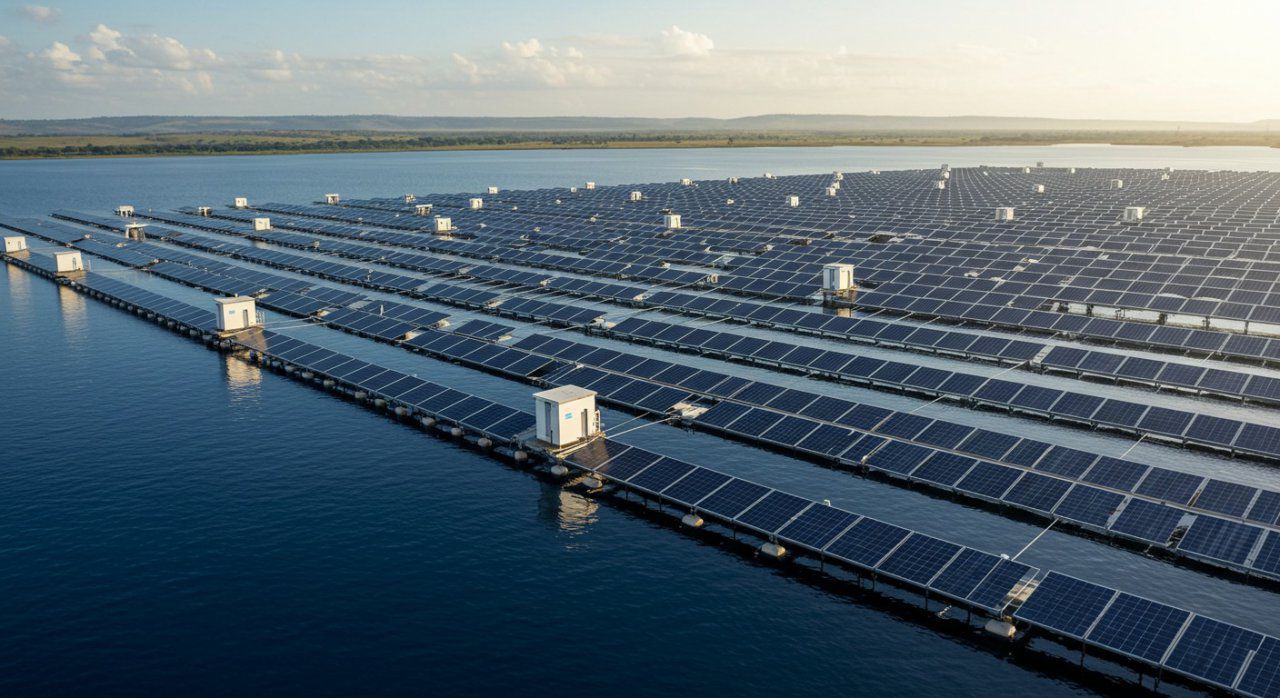
The energy sector in Nairobi, Kenya, is rapidly evolving. To stay ahead, companies must embrace innovative technologies. One such game-changer is virtual reality (VR). Implementing energy sector project virtual reality solutions offers unprecedented opportunities for training, design, and operational efficiency. VR allows stakeholders to visualize complex projects before they are built. It provides immersive training environments for staff. This technology is set to redefine project management and execution in Kenya's dynamic energy landscape. Fortisure Consulting is at the forefront, guiding Nairobi's energy firms toward this digital frontier.
Understanding Virtual Reality in Energy Projects
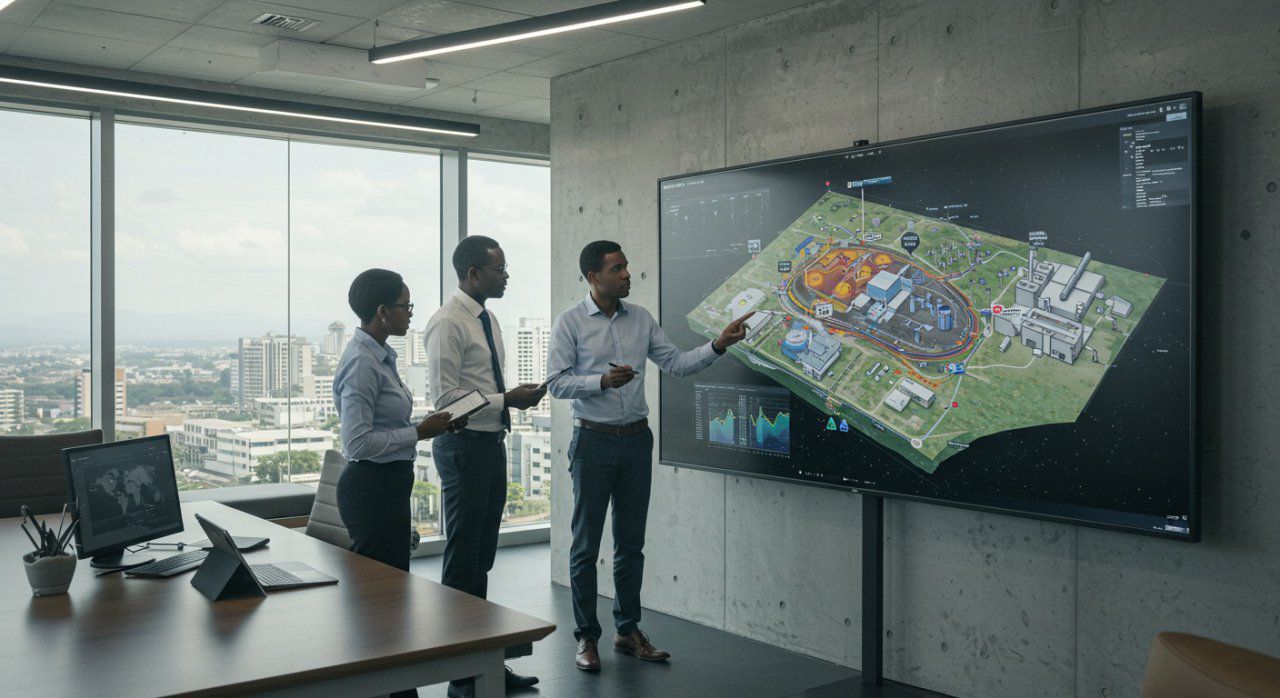
Virtual reality (VR) is more than just a gaming technology. It's a powerful tool for simulating real-world environments. In the context of energy projects, VR creates highly realistic digital replicas of facilities, equipment, and work sites. This allows engineers and project managers to interact with designs in a three-dimensional space. They can identify potential issues early on. For large-scale infrastructure like power plants or transmission lines in Nairobi, this is invaluable. The ability to walk through a virtual plant before construction saves immense time and resources. It also enhances collaboration among diverse teams. Exploring energy sector project virtual reality solutions means unlocking new levels of insight and planning accuracy. This technology facilitates better decision-making throughout the project lifecycle.

Key Applications of VR in Energy Project Management
Virtual reality offers a multitude of applications within energy projects across Nairobi. Firstly, it revolutionizes training. New employees can be trained on complex machinery or hazardous procedures in a safe, controlled virtual environment. This reduces the risk of accidents and costly errors. Secondly, VR enhances design and planning. Architects and engineers can conduct virtual walkthroughs of proposed facilities. They can refine layouts and identify clashes before physical construction begins. This is crucial for optimizing space and workflow in power generation or distribution projects. Thirdly, VR aids in maintenance and operations. Technicians can use VR to visualize repair procedures or troubleshoot equipment remotely. This speeds up response times and improves efficiency. The adoption of energy sector project virtual reality solutions is thus a strategic move for operational excellence.
Benefits of VR for Nairobi's Energy Infrastructure
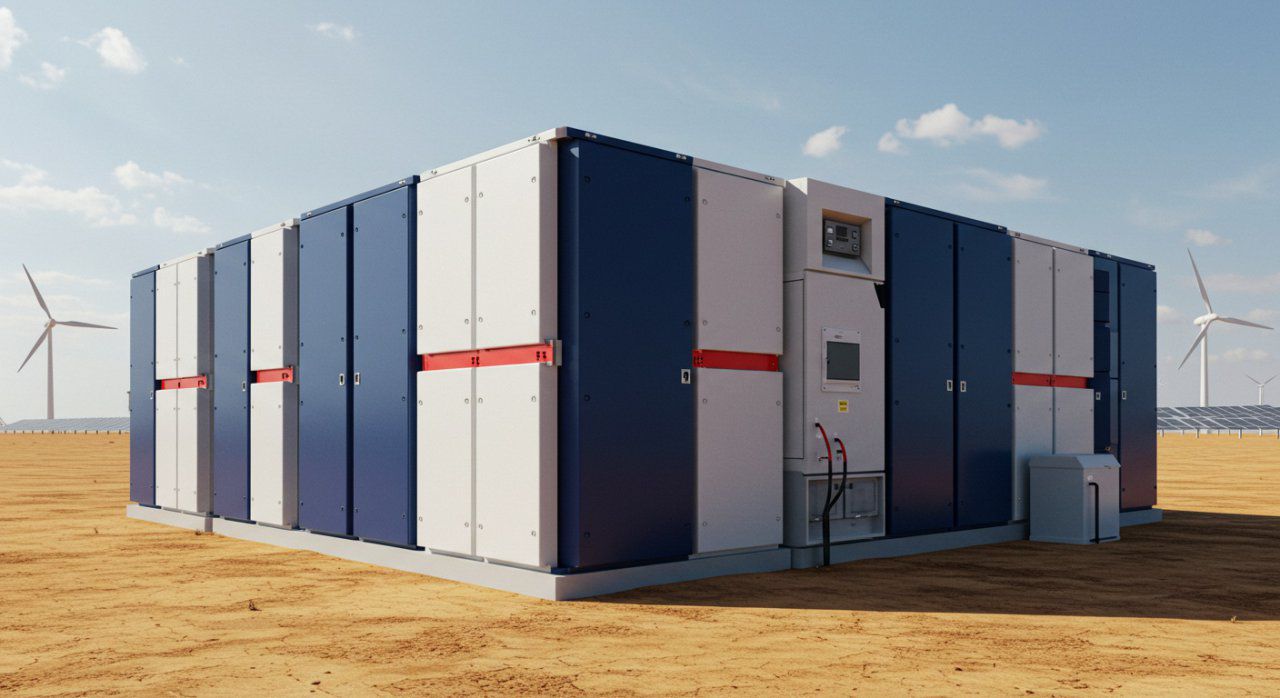
The integration of virtual reality into energy projects in Nairobi brings significant benefits. Enhanced safety is a primary advantage. By simulating hazardous scenarios, VR training prepares workers for real-world risks without actual danger. This is particularly important for projects involving high-voltage equipment or remote locations. Improved project visualization is another key benefit. VR allows all stakeholders, from investors to on-site crews, to understand the project scope and design clearly. This fosters better communication and alignment. Cost reduction is also a major factor. Early detection of design flaws and optimized training programs lead to fewer rework instances and accidents. This translates directly into significant cost savings for energy companies operating in Kenya. Furthermore, VR can accelerate project timelines by streamlining design reviews and training processes.
Challenges and Considerations for VR Implementation
Despite its numerous advantages, implementing virtual reality in Nairobi's energy sector presents challenges. The initial investment in VR hardware and software can be substantial. Developing custom VR content tailored to specific energy projects requires specialized expertise and time. Ensuring widespread adoption among a diverse workforce may also require comprehensive training and change management strategies. Technical integration with existing systems can be complex. Issues like data compatibility and network infrastructure need careful consideration. For organizations in Kenya, access to skilled VR developers and technicians might also be a limiting factor. Overcoming these hurdles requires careful planning and strategic partnerships. Fortisure Consulting helps navigate these complexities.
The Role of Fortisure Consulting in VR Adoption
Fortisure Consulting plays a pivotal role in assisting Nairobi's energy firms to leverage virtual reality. As leading infrastructure procurement advisors, we understand the unique needs of the Kenyan energy market. We help identify the most suitable VR technologies and platforms for your specific projects. Our expertise extends to developing business cases for VR adoption, demonstrating tangible ROI. We guide clients through the procurement process, ensuring they select cost-effective and high-performance solutions. Fortisure Consulting also facilitates partnerships with VR technology providers and content creators. We ensure seamless integration of these solutions into existing project workflows. Our goal is to empower energy companies in Nairobi to harness the full potential of energy sector project virtual reality solutions for improved outcomes.
Future Trends in VR for Energy Projects in Kenya
The future of virtual reality in Kenya's energy sector is bright. We anticipate more sophisticated VR applications, including AI-powered simulations and augmented reality (AR) overlays for real-time data visualization. The use of VR for remote collaboration will likely increase, connecting experts globally with on-site teams in Nairobi. As hardware costs decrease and technology matures, VR will become more accessible. This will enable smaller energy firms and projects to benefit. The integration of VR with Building Information Modeling (BIM) will create even more powerful design and management tools. Expect VR to become an indispensable part of the energy project lifecycle, from conceptualization to decommissioning. Embracing these advancements is key for sustained growth in Nairobi's energy market.