Understanding Energy Project Lifecycle Management
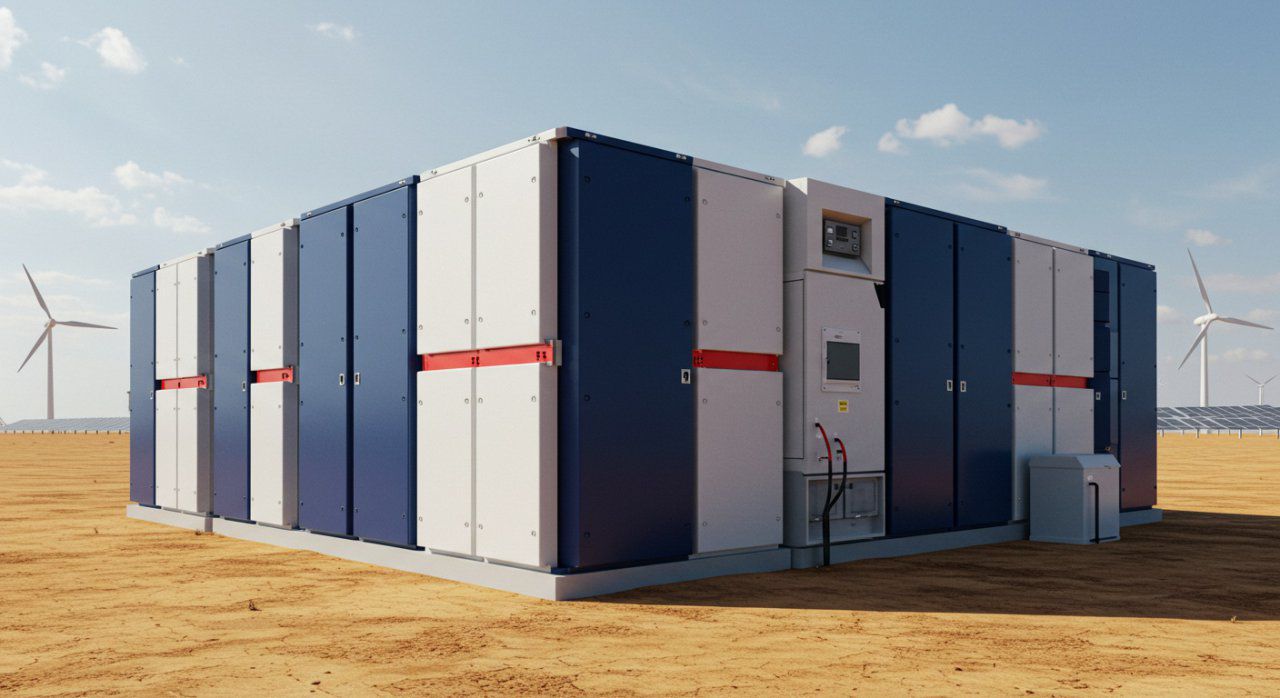
Effective energy infrastructure project lifecycle management is crucial for the successful development and operation of power generation, transmission, and distribution assets in Nairobi, Kenya. This involves overseeing a project from its initial concept through planning, execution, operation, maintenance, and eventual decommissioning. Fortisure Consulting provides expert guidance across all phases. We ensure projects are delivered on time, within budget, and meet performance standards. Proper lifecycle management minimizes risks and maximizes asset value. It is essential for sustainable energy development in Kenya.
Project Conception and Feasibility Studies
The lifecycle begins with identifying a need and assessing feasibility. This phase involves market analysis, technology evaluation, and preliminary environmental and social impact assessments. Fortisure Consulting assists in developing robust feasibility studies. We help define project scope and objectives clearly. This stage sets the foundation for the entire project. Accurate assessments in this phase prevent costly changes later. Ensuring alignment with national energy goals is paramount. This initial phase is critical for successful energy infrastructure project lifecycle management.
Planning, Design, and Permitting
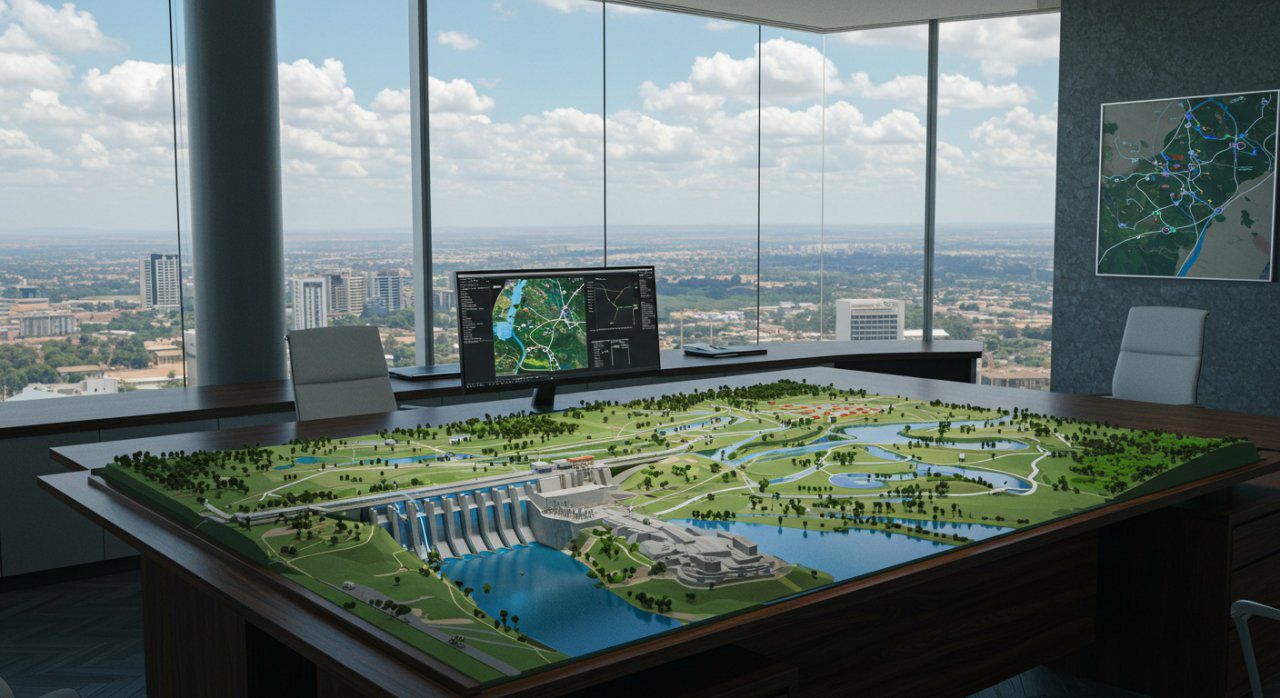
Once feasible, projects move into detailed planning and design. This includes engineering, procurement, and securing necessary permits and approvals. Fortisure Consulting supports clients in navigating complex regulatory frameworks in Nairobi. We manage the design process to ensure optimal performance and safety. Efficient permitting is key to staying on schedule. This phase requires meticulous coordination among various stakeholders. Our expertise ensures all aspects are addressed comprehensively. This leads to a well-defined project ready for execution.
Procurement and Construction (EPC)
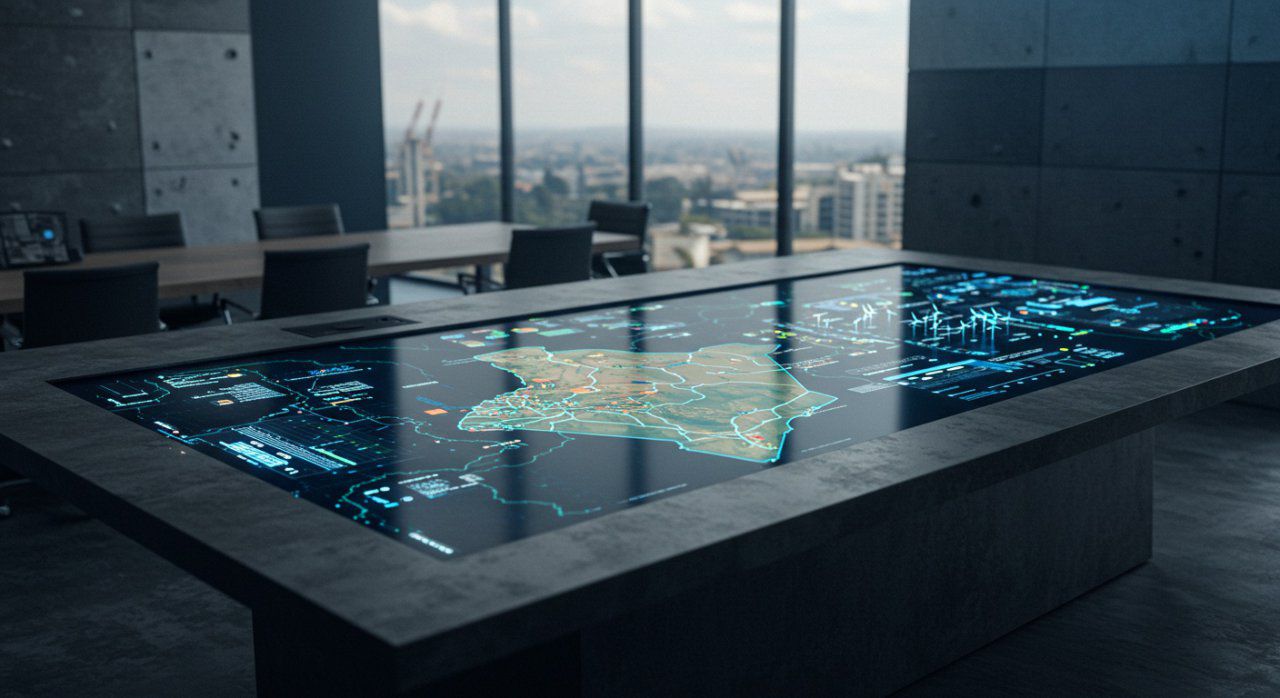
The execution phase involves procuring materials and constructing the infrastructure. This is often managed under an Engineering, Procurement, and Construction (EPC) contract. Fortisure Consulting provides oversight during this critical phase. We monitor progress, ensure quality control, and manage contractor performance. Adherence to safety protocols is paramount. Effective management here prevents delays and cost overruns. Ensuring the project is built to specifications is vital for its long-term performance.
Operation and Maintenance (O&M)
After construction, the infrastructure enters its operational phase. This requires robust operation and maintenance strategies to ensure reliability and efficiency. Fortisure Consulting advises on developing effective O&M plans. This includes preventative maintenance schedules, performance monitoring, and asset management systems. Optimizing operations ensures the infrastructure delivers its intended capacity. It also extends the asset's useful life. Proactive maintenance minimizes downtime and operational costs.
Performance Monitoring and Optimization
Continuous performance monitoring is essential throughout the operational lifecycle. This involves tracking key performance indicators (KPIs) and identifying areas for improvement. Fortisure Consulting helps implement systems for real-time monitoring. We analyze performance data to optimize operations. This can involve adopting new technologies or refining maintenance practices. Ensuring the infrastructure consistently meets energy demands is the goal. This continuous improvement cycle is key to long-term success.
Decommissioning and End-of-Life Management
Eventually, energy infrastructure reaches the end of its operational life. Planning for decommissioning is a crucial part of the lifecycle. This involves safely dismantling assets and managing environmental remediation. Fortisure Consulting assists in developing decommissioning strategies. We ensure compliance with environmental regulations. This phase requires careful planning to minimize disruption and environmental impact. A well-managed decommissioning ensures responsible closure of the project's lifecycle.