The Brains Behind Nairobi's Solar Energy Revolution
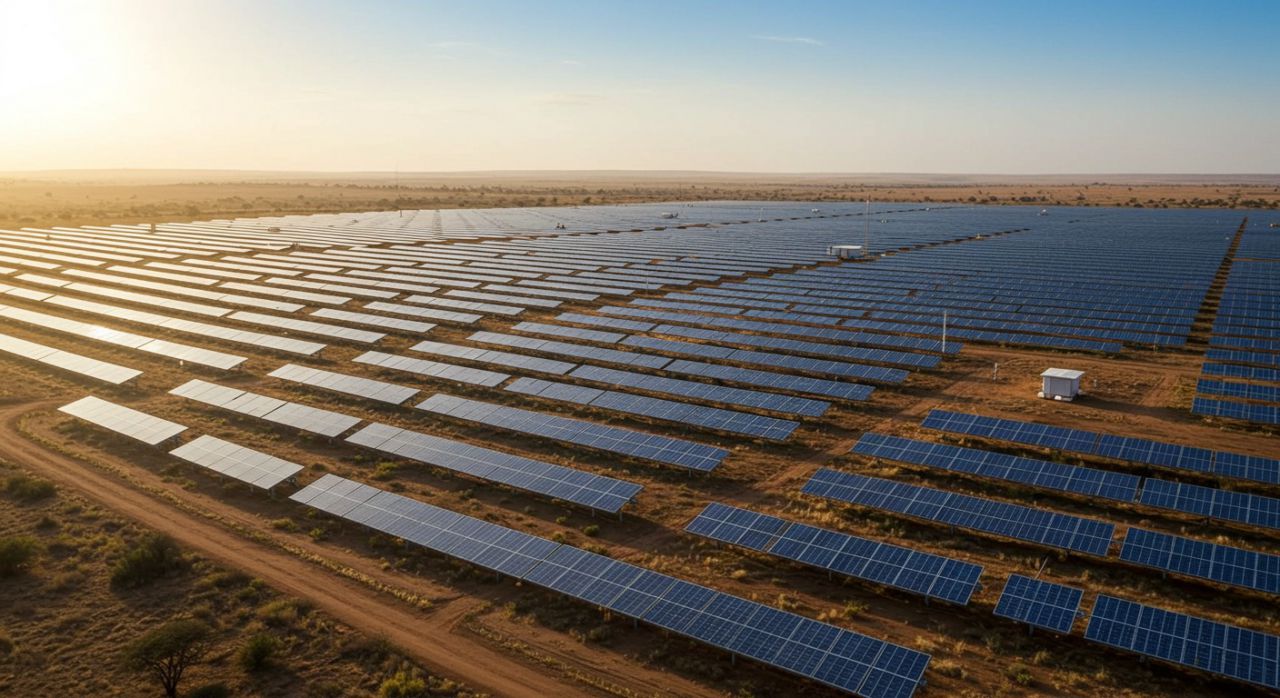
Solar power is rapidly expanding across Kenya, with Nairobi emerging as a hub for innovation and adoption. Central to the efficiency and reliability of any solar power project is the inverter – the device that converts the direct current (DC) generated by solar panels into alternating current (AC) usable by the grid or local consumers. Making the right solar power project inverter selection is a critical decision that impacts energy yield, system longevity, and overall return on investment. Incorrect choices can lead to underperformance, frequent breakdowns, and increased maintenance costs. Fortisure Consulting, your trusted Infrastructure Procurement Advisory in Nairobi, offers specialized expertise in navigating the complex world of solar technology. We provide crucial guidance on solar power project inverter selection, ensuring your project in Nairobi and across Kenya achieves optimal performance and maximum energy output.
Understanding Inverter Types and Technologies
The first step in solar power project inverter selection is understanding the available types and technologies. String inverters are the most common for residential and commercial projects; they connect multiple solar panels (a 'string') to a single inverter. Central inverters are used for very large utility-scale projects. Microinverters are attached to each individual solar panel, offering panel-level optimization and monitoring, which can be beneficial for sites with shading issues. Power optimizers work similarly to microinverters but are paired with a central string inverter. Each technology has its pros and cons regarding cost, efficiency, monitoring capabilities, and suitability for different site conditions in Nairobi. Fortisure Consulting analyzes your project's specific needs to recommend the most appropriate inverter technology.

Key Factors in Inverter Selection
Selecting the right inverter involves evaluating several key technical and commercial factors. Efficiency ratings are crucial; higher efficiency means more energy harvested from the panels. Maximum Power Point Tracking (MPPT) capability ensures the inverter optimizes the DC input voltage and current from the panels to maximize power output under varying sunlight conditions. Surge protection is vital for safeguarding the inverter against electrical spikes. Environmental ratings (e.g., IP rating) determine the inverter's resistance to dust and water, important for installations across Kenya. Warranty period and manufacturer reputation are also critical for long-term reliability. Fortisure Consulting guides clients through these technical specifications, ensuring a selection that balances performance, durability, and cost-effectiveness for your solar project.
Matching Inverters to Solar Array Design

Proper solar power project inverter selection requires careful alignment with the solar array design. The inverter's DC input voltage range must be compatible with the total voltage of the panel strings. Similarly, the inverter's AC output power rating should be appropriately sized relative to the total DC capacity of the solar array. An undersized inverter can lead to 'clipping,' where the inverter limits power output during peak sunlight hours, reducing overall energy yield. An oversized inverter might be less cost-effective. Considerations like potential future expansion of the solar array should also be factored into the sizing and selection process. Fortisure Consulting assists in optimizing this crucial match between the solar array and the inverter.
Reliability and Longevity Considerations
The inverter is often considered the 'brain' of a solar power system, and its reliability directly impacts the system's overall performance and lifespan. Factors contributing to inverter reliability include the quality of internal components, thermal management design (cooling systems), and the manufacturer's track record. Inverters operating in harsh environments, such as those found in parts of Kenya with high temperatures and humidity, require robust construction and effective cooling to prevent premature failure. Choosing reputable brands with strong warranties and readily available technical support is essential for minimizing downtime and ensuring consistent energy production from your solar investment in Nairobi.
Monitoring and Smart Grid Capabilities
Modern solar power project inverter selection increasingly involves evaluating monitoring and smart grid capabilities. Advanced inverters offer sophisticated monitoring systems, allowing project owners to track energy production, system performance, and potential issues in real-time, often via web or mobile applications. This capability is invaluable for identifying underperformance quickly and scheduling maintenance. Furthermore, inverters with smart grid features can communicate with the utility grid, enabling better grid integration, demand response participation, and potentially facilitating energy storage solutions. Fortisure Consulting advises on selecting inverters that provide the necessary visibility and control for your solar project in Kenya.
Cost-Benefit Analysis and ROI
While initial cost is a factor, the most crucial aspect of solar power project inverter selection is the long-term cost-benefit analysis. A slightly more expensive inverter with higher efficiency, better reliability, and a longer warranty can yield significantly more energy and require less maintenance over the project's 20-25 year lifespan, resulting in a superior return on investment (ROI). Comparing the Levelized Cost of Energy (LCOE) across different inverter options provides a clear economic picture. Fortisure Consulting helps clients perform these detailed financial analyses, ensuring the chosen inverter represents the most economically sound decision for their solar power project in Nairobi.