Introduction to Solar Power Project System Design
Embarking on a solar power project in Nairobi, Kenya, requires meticulous planning and expert execution. The foundation of any successful solar initiative lies in its robust system design. A well-thought-out solar power project system design ensures optimal energy generation, long-term reliability, and cost-effectiveness. Fortisure Consulting, a leader in infrastructure procurement advisory in Nairobi, understands the nuances of designing solar systems that meet Kenya's unique energy landscape. Our expertise covers everything from initial feasibility studies to the final system configuration, ensuring your investment delivers maximum value and contributes to a sustainable energy future for Kenya.
Understanding the Core Components of Solar System Design
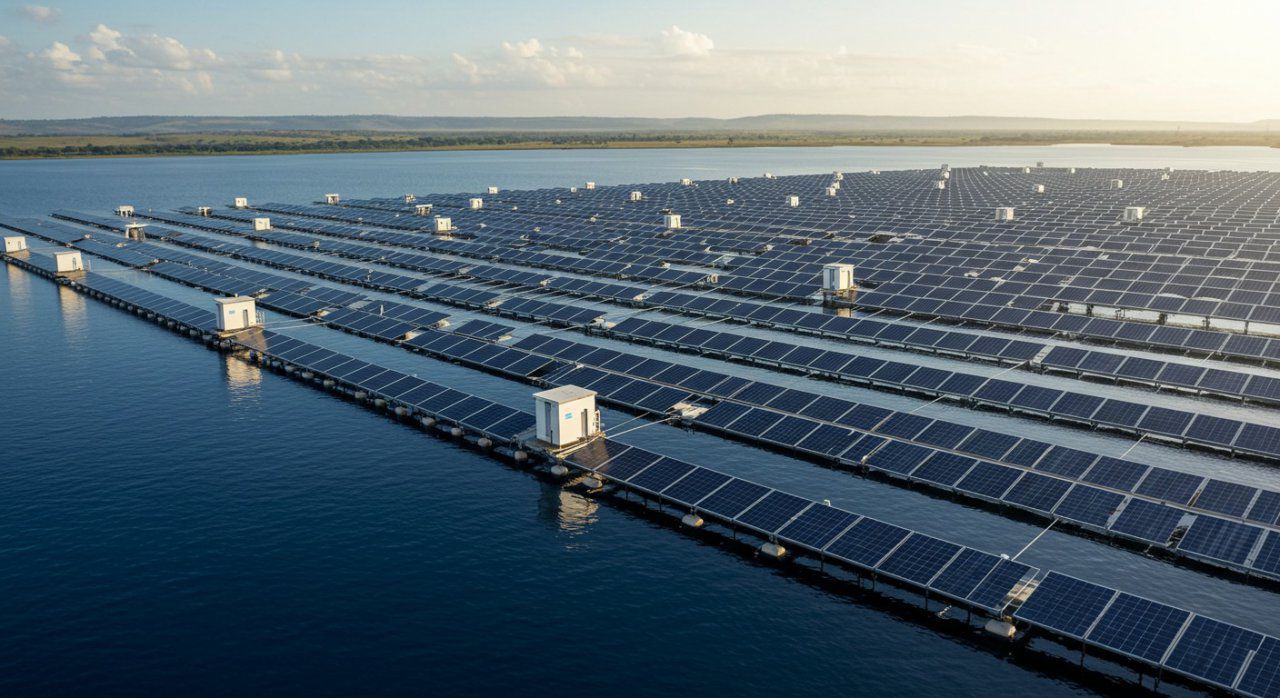
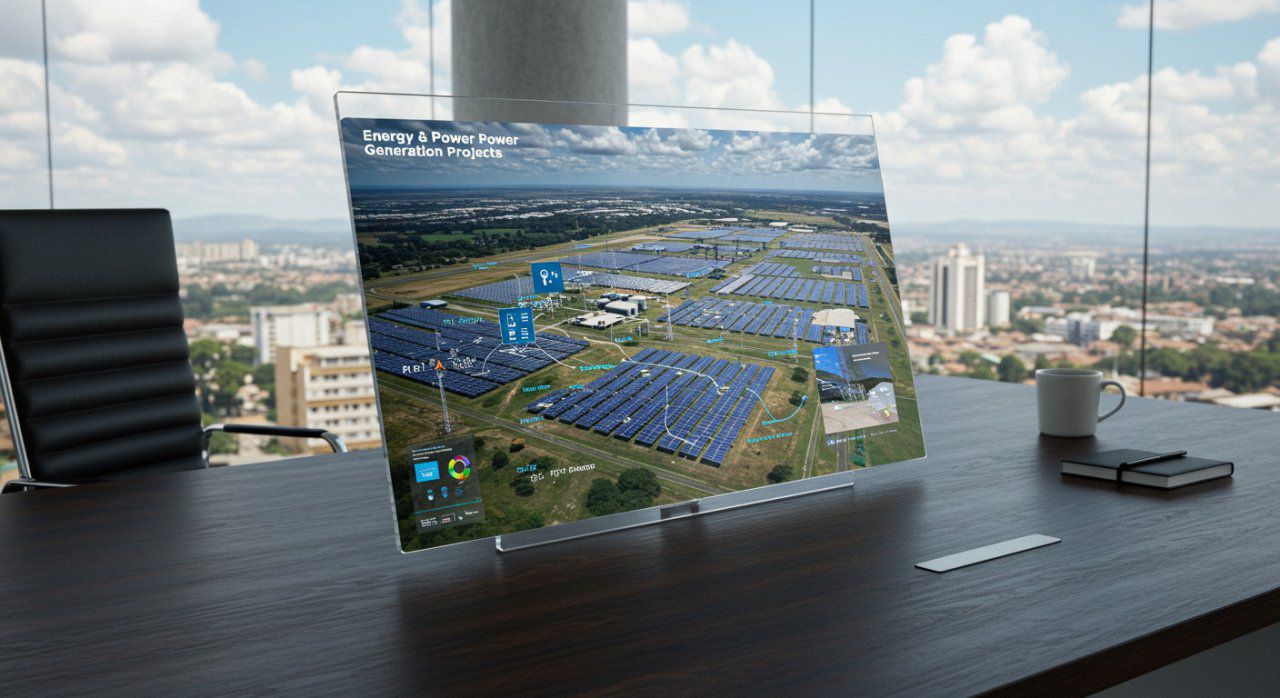
The intricate process of solar power project system design involves several critical components. It begins with a thorough site assessment to evaluate solar irradiance, potential shading, and available space. Following this, engineers select appropriate photovoltaic (PV) modules, considering their efficiency, durability, and cost. The inverter selection is equally vital; it converts the DC power generated by the panels into AC power usable by the grid or local loads. Mounting structures must be robust enough to withstand Nairobi's weather conditions. Furthermore, the design must incorporate battery storage solutions if off-grid operation or grid stability is a priority. Cable sizing, protection devices, and earthing systems are essential for safety and performance. Each element must be integrated seamlessly to create a cohesive and high-performing solar power project system. Fortisure Consulting excels in harmonizing these components.
Key Considerations for Nairobi's Solar Environment
Designing solar power systems for Nairobi, Kenya, demands specific considerations. The equatorial sun offers abundant solar energy, but factors like high temperatures can affect panel efficiency. Therefore, system design must account for adequate ventilation and potentially higher-rated panels. Dust and occasional heavy rainfall also influence the choice of materials and cleaning schedules. Grid integration is another crucial aspect in Nairobi; understanding the local grid's capacity and stability is paramount for grid-tied systems. For larger projects, compliance with Kenyan energy regulations and standards is non-negotiable. Fortisure Consulting's deep understanding of the local context ensures that every solar power project system design is not only technically sound but also compliant and optimized for Nairobi's specific environmental and regulatory conditions.
The Role of Feasibility Studies and Site Analysis

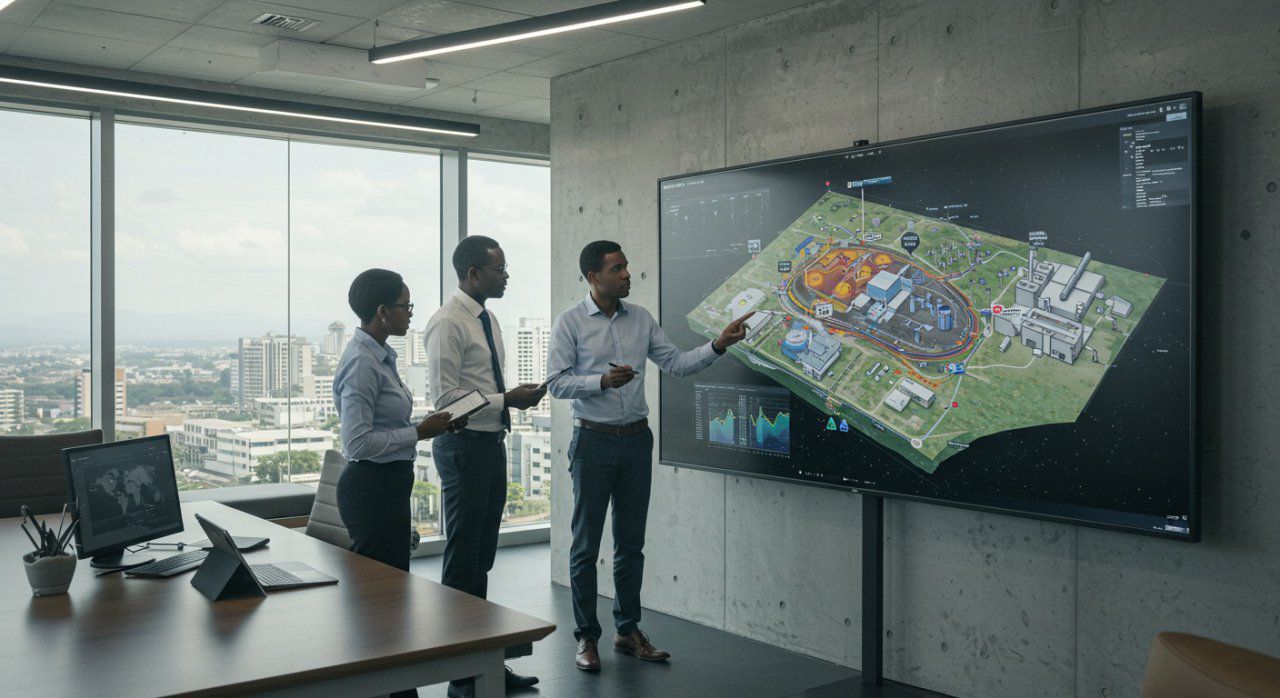
Before commencing any solar power project system design, a comprehensive feasibility study and site analysis are indispensable. This initial phase identifies potential challenges and opportunities. It involves evaluating the project's technical viability, economic feasibility, and environmental impact. Site analysis specifically examines solar resource availability using historical data and on-site measurements. It also assesses the physical characteristics of the proposed location, including topography, soil conditions for mounting, and accessibility for construction and maintenance. Understanding the local grid infrastructure and potential connection points is also part of this critical assessment. Fortisure Consulting conducts these studies rigorously to lay a solid groundwork for effective system design.
Optimizing Energy Yield Through Advanced Design Techniques
Maximizing energy yield is a primary goal in any solar power project system design. Advanced design techniques involve sophisticated modeling software to simulate energy production under various conditions. This includes optimizing the tilt and orientation of solar panels to capture the maximum sunlight throughout the year. Engineers consider the impact of shading from nearby structures or vegetation and design solutions to mitigate these effects, perhaps through panel layout adjustments or the use of microinverters. String sizing and configuration are carefully calculated to minimize electrical losses. Furthermore, selecting high-efficiency components and incorporating advanced monitoring systems allows for real-time performance tracking and optimization, ensuring the solar power project consistently achieves its potential.
Ensuring Compliance and Safety in System Design
Safety and regulatory compliance are paramount in any solar power project system design. In Kenya, the Energy and Petroleum Regulatory Authority (EPRA) sets standards that must be adhered to. This includes guidelines for electrical safety, grid interconnection, and environmental protection. System design must incorporate appropriate safety features such as circuit breakers, surge protection devices, and proper grounding to prevent electrical hazards and protect equipment. Fire safety considerations are also vital, especially for large-scale installations. Fortisure Consulting ensures that all designs meet or exceed national and international safety standards, providing peace of mind and mitigating risks for project owners.
The Importance of Professional Advisory in Solar Design
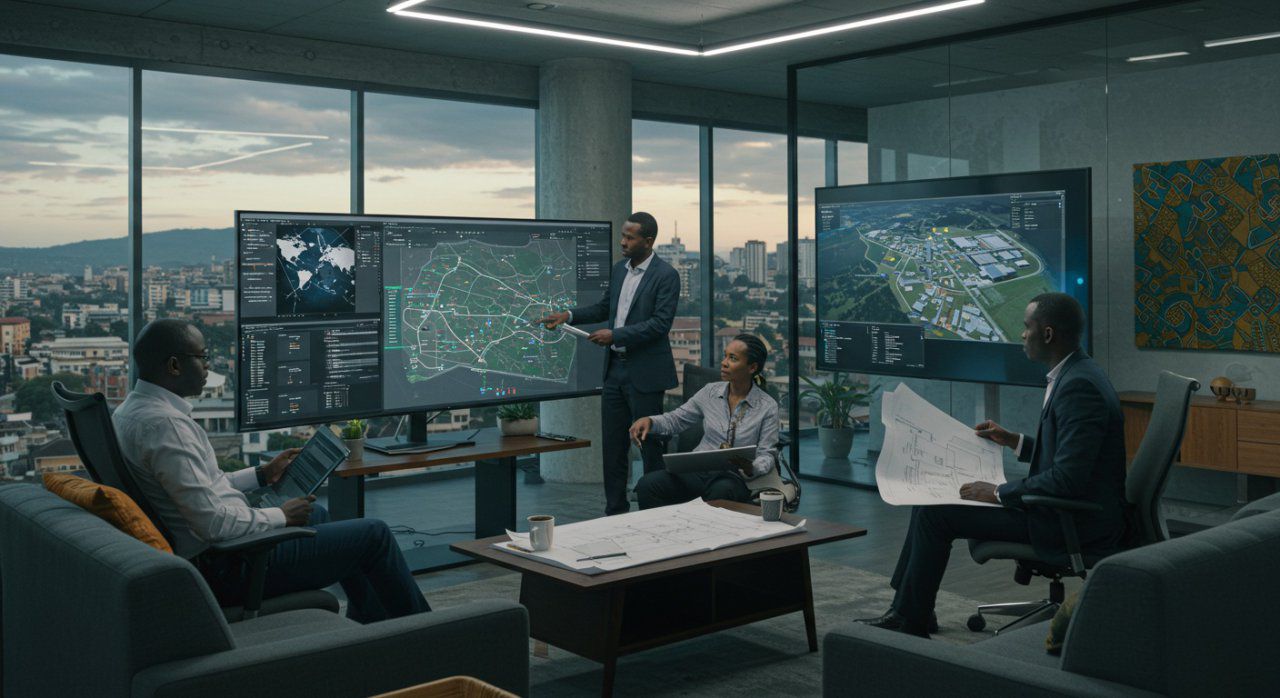
Engaging professional advisory services is crucial for a successful solar power project system design. Fortisure Consulting offers unparalleled expertise in navigating the complexities of solar project development in Nairobi. Our team of experienced engineers and consultants provides end-to-end support, from initial concept to detailed design and procurement. We help clients select the most suitable technologies, optimize system performance, manage costs effectively, and ensure regulatory compliance. Partnering with us minimizes risks, avoids costly mistakes, and guarantees that your solar power project is designed for maximum efficiency and longevity in the Kenyan context.