

The Crucial Role of Meteorological Assessment in Wind Energy
Developing a successful wind energy project in Nairobi, Kenya, hinges on a thorough understanding of local wind conditions. A precise wind energy meteorological assessment is the cornerstone of this understanding. Fortisure Consulting provides comprehensive services to evaluate wind resources. We help identify optimal locations for wind turbines. Our assessments ensure projects are designed to maximize energy capture and operational efficiency. This critical analysis is fundamental for the viability of any wind farm.
Understanding Wind Resource Variability
Wind speed and direction are not constant; they vary significantly by location, season, and even time of day. A detailed wind energy meteorological assessment captures this variability. We deploy advanced monitoring equipment and utilize historical meteorological data. This allows us to build accurate wind profiles for specific sites in and around Nairobi. Understanding these patterns is essential for predicting energy yield and turbine performance.

Key Elements of a Meteorological Assessment
Our wind energy meteorological assessment services cover several key elements. This includes measuring wind speed at various heights, analyzing turbulence intensity, and assessing wind shear. We also evaluate extreme weather events, such as high winds or lightning. Understanding atmospheric stability and temperature gradients is also important. This comprehensive data set informs turbine selection, site layout, and energy production estimates, ensuring robust project planning.
Impact on Turbine Selection and Placement
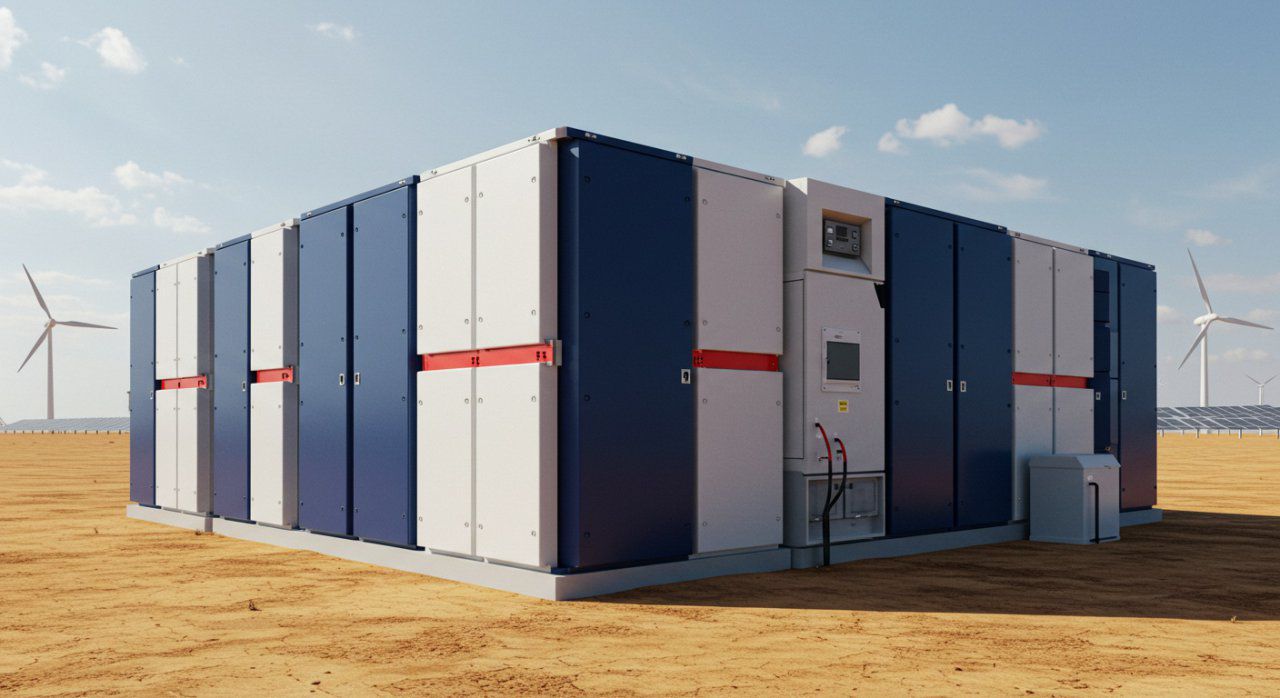
The findings from a meteorological assessment directly influence critical project decisions. Turbine selection depends heavily on the prevailing wind conditions. For instance, sites with lower average wind speeds might require turbines with larger rotor diameters. Conversely, high turbulence sites necessitate turbines designed to withstand such conditions. Fortisure Consulting's analysis ensures that turbines are optimally matched to the site's meteorological characteristics, maximizing energy capture and minimizing wear.
Predicting Energy Yield and Financial Viability
Accurate energy yield prediction is a primary outcome of a robust wind energy meteorological assessment. By understanding the wind resource, we can reliably estimate the amount of electricity a wind farm will generate. This prediction is vital for securing financing and assessing the project's financial viability. Fortisure Consulting provides detailed energy production reports. These reports are based on rigorous meteorological data analysis, giving investors confidence in the project's economic potential.
Utilizing Technology for Precision
Fortisure Consulting leverages state-of-the-art technology for our wind energy meteorological assessment services. This includes LiDAR and SoDAR systems for remote wind sensing, as well as conventional meteorological masts equipped with anemometers and wind vanes. We employ sophisticated software for data analysis and wind flow modeling. This technological integration ensures the highest level of accuracy and reliability in our assessments for projects in Nairobi.
Partnering for Wind Energy Success
Successful wind energy projects in Kenya require expert meteorological insight. Fortisure Consulting offers unparalleled expertise in wind energy meteorological assessment. We provide the data and analysis needed to make informed decisions. From site selection to turbine optimization, we guide you every step of the way. Partner with us to harness the power of the wind efficiently and profitably.