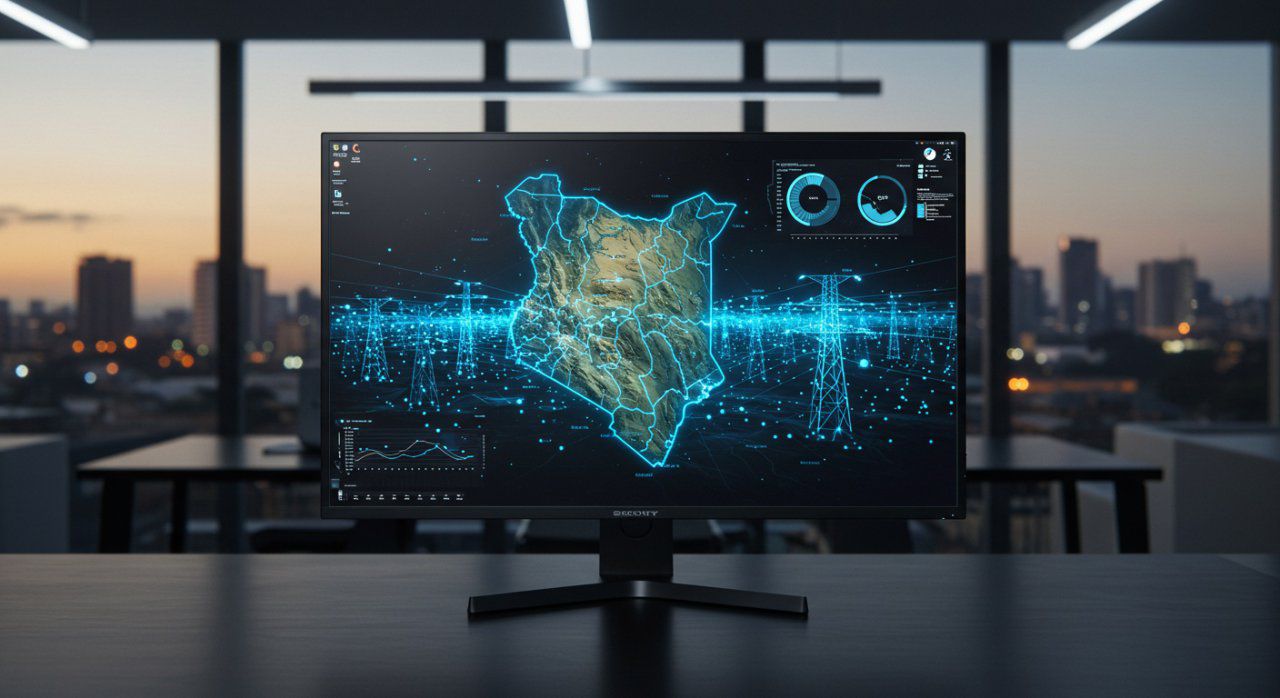

The Importance of Grid Connection for Wind Projects
Connecting a wind energy project to the national grid is a critical and often complex phase. Successful wind energy project grid connection ensures that the clean power generated can reach consumers efficiently. In Nairobi, Kenya, as renewable energy targets accelerate, seamless integration is paramount. This process involves technical assessments, regulatory approvals, and physical infrastructure development. Fortisure Consulting provides comprehensive services to navigate these challenges. We ensure your wind farm contributes reliably to Kenya's energy needs. Our expertise guarantees a smooth transition from generation to distribution, maximizing your project's impact and value.
Technical Grid Interconnection Studies
Before physical connection, thorough technical studies are essential. These studies assess the capacity and stability of the existing grid infrastructure in Nairobi. They determine the required upgrades to accommodate the new wind energy input. Studies include load flow analysis, short circuit analysis, and transient stability studies. These ensure the grid can handle the variable nature of wind power without compromising reliability. Fortisure Consulting manages these complex technical evaluations. We work with grid operators and engineers to identify potential issues early. Accurate studies form the basis for a stable and secure wind energy project grid connection. This minimizes risks of operational disruptions and ensures compliance with grid codes.

Regulatory Approvals and Permitting
Connecting to the national grid requires navigating a stringent regulatory framework. In Kenya, this involves obtaining approvals from the Energy and Petroleum Regulatory Authority (EPRA) and the national utility provider. The process demands detailed documentation, adherence to grid codes, and compliance with environmental standards. Fortisure Consulting has extensive experience with these regulatory bodies. We manage the entire approval process, ensuring all requirements are met efficiently. Our team understands the nuances of Kenyan energy regulations. This expertise is crucial for securing timely permits for wind energy project grid connection. We facilitate communication between project developers and regulatory authorities.
Substation and Transmission Line Design
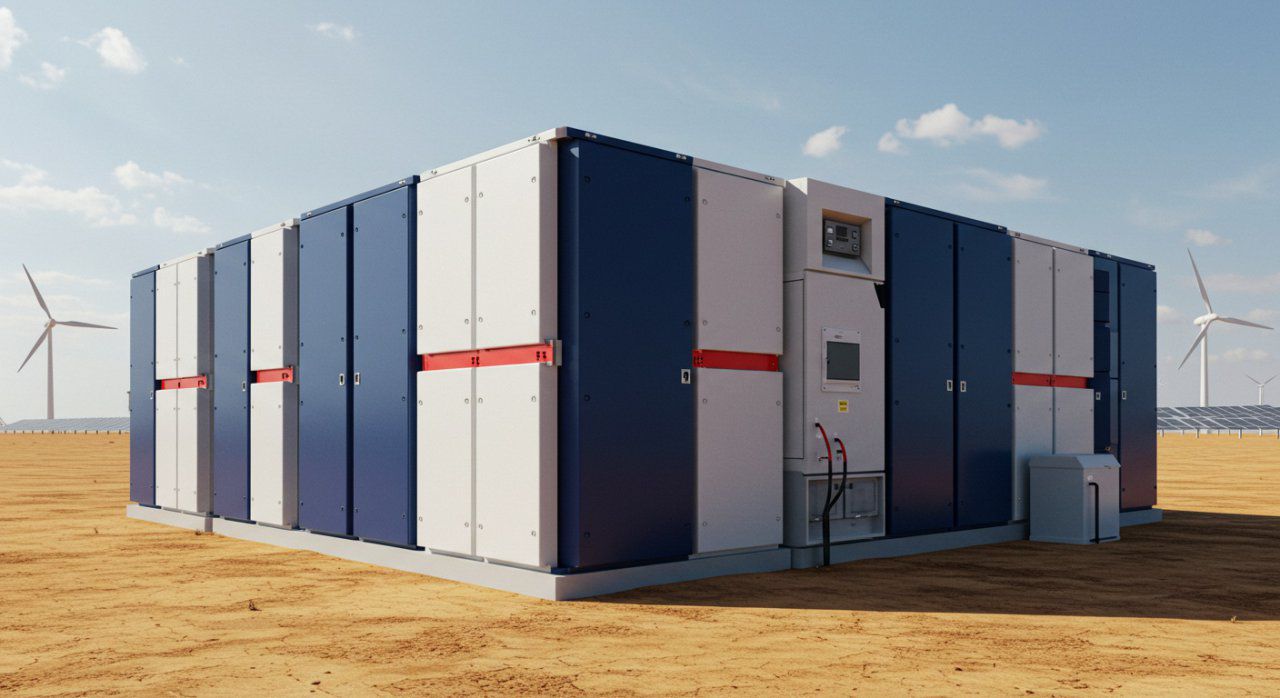
Designing the necessary substations and transmission lines is a core component of grid connection. This includes specifying the voltage levels, equipment specifications, and routing for new infrastructure. The substation acts as the interface between the wind farm and the grid, stepping up the voltage for efficient transmission. Transmission lines carry the power to the nearest grid interconnection point. Fortisure Consulting collaborates with leading engineering firms. We oversee the design process to ensure it meets international standards and local requirements. Cost-effectiveness and reliability are key considerations in the design phase. Proper design is fundamental for a robust wind energy project grid connection.
Construction and Commissioning Management
The physical construction and commissioning of the grid connection infrastructure require expert management. This involves overseeing the installation of substations, switchyards, and transmission lines. Strict quality control and safety protocols must be maintained throughout the construction phase. Commissioning involves rigorous testing to ensure all components function correctly and safely integrate with the grid. Fortisure Consulting provides project management services for this critical stage. We ensure construction stays on schedule and within budget. Our team coordinates with contractors, suppliers, and grid operators. This ensures a seamless transition from construction to operational status for the wind energy project grid connection.
Grid Code Compliance and Standards
Adherence to the national grid code is non-negotiable for any power generation project. The grid code outlines the technical requirements and operational procedures for connecting to and operating within the power system. This includes standards for power quality, voltage regulation, and fault response. Fortisure Consulting ensures that all aspects of the wind energy project meet these stringent requirements. We conduct compliance audits and provide recommendations for any necessary adjustments. Ensuring full grid code compliance is vital for the longevity and reliability of the wind energy project grid connection. It also ensures the safety of the national grid.
Post-Connection Support and Optimization
The relationship doesn't end once the connection is established. Ongoing support and optimization are crucial for maintaining performance. This can involve monitoring grid performance, managing curtailment events, and planning for future capacity expansions. Fortisure Consulting offers post-connection services to ensure sustained operational efficiency. We help clients optimize their energy output and manage grid interactions effectively. This proactive approach maximizes the return on investment for wind energy projects. Reliable post-connection support is a hallmark of a successful wind energy project grid connection strategy.