

Introduction to Energy Infrastructure Project Asset Management
Effective energy infrastructure project asset management is crucial for the long-term viability and profitability of power generation, transmission, and distribution assets in Nairobi, Kenya. It involves a systematic approach to maintaining, upgrading, and optimizing these valuable assets throughout their lifecycle. Fortisure Consulting, a leading infrastructure procurement advisory firm in Nairobi, understands the critical role robust asset management plays in ensuring reliability, efficiency, and financial returns. Our expertise helps stakeholders maximize the value of their energy infrastructure investments.
Defining Asset Management in the Energy Sector
Energy infrastructure project asset management encompasses a broad range of activities aimed at optimizing the performance and value of physical assets. This includes planning, acquisition, operation, maintenance, renewal, and disposal of infrastructure like power plants, substations, transmission lines, and pipelines. The core objective is to balance costs, risks, and performance to meet stakeholder needs and regulatory requirements. In Nairobi's dynamic energy market, sophisticated asset management strategies are essential for ensuring grid stability, meeting growing demand, and achieving operational excellence. Fortisure Consulting provides tailored solutions to enhance asset performance.

Key Strategies for Optimizing Energy Assets in Nairobi
Optimizing energy assets in Nairobi requires a multi-faceted approach. Key strategies within energy infrastructure project asset management include implementing robust preventive and predictive maintenance programs. This minimizes unexpected failures and costly downtime. Lifecycle cost analysis helps in making informed decisions about asset renewal or replacement. Performance monitoring using advanced analytics allows for early detection of inefficiencies. Furthermore, risk management strategies are vital to address potential threats like equipment failure, natural disasters, or cyber-attacks. Fortisure Consulting partners with clients to develop and implement these strategies, ensuring assets operate at peak efficiency and reliability.
The Role of Technology in Asset Management
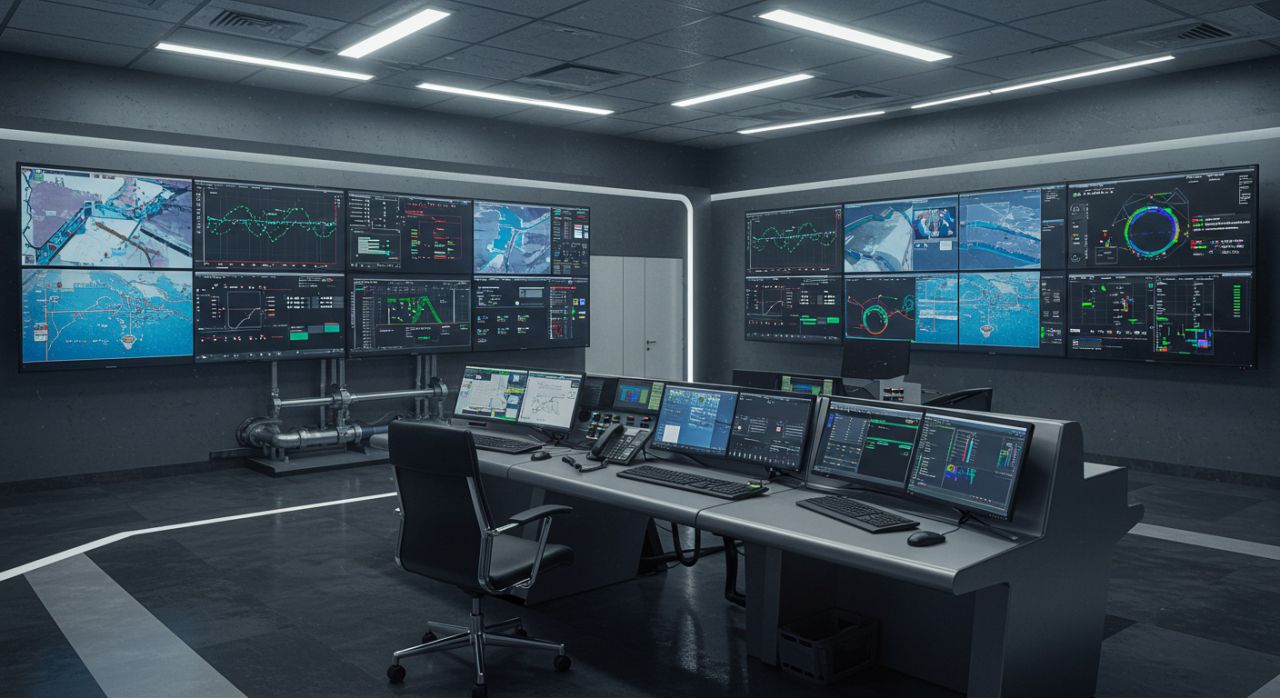
Technology plays a transformative role in modern energy infrastructure project asset management. Advanced technologies such as the Internet of Things (IoT) sensors enable real-time monitoring of asset condition and performance. Data analytics and artificial intelligence (AI) help in predicting failures and optimizing maintenance schedules. Geographic Information Systems (GIS) are invaluable for managing geographically dispersed assets like transmission lines. Digital twins can create virtual replicas of assets for simulation and testing. Fortisure Consulting leverages these technological advancements to provide clients in Nairobi with cutting-edge asset management solutions, enhancing visibility and control.
Regulatory Compliance and Standards in Asset Management
Adherence to regulatory standards is a critical aspect of energy infrastructure project asset management in Kenya. Regulatory bodies often mandate specific maintenance schedules, safety protocols, and performance benchmarks. Compliance ensures the safety of operations, protects the environment, and maintains public trust. Fortisure Consulting assists clients in understanding and meeting these regulatory requirements, ensuring that all asset management practices align with national laws and industry best practices. This proactive approach helps avoid penalties and ensures uninterrupted operation of energy infrastructure in Nairobi.
Financial Planning and Investment in Asset Management
Sound financial planning is integral to effective energy infrastructure project asset management. This involves budgeting for maintenance, capital expenditures for upgrades, and long-term asset renewal strategies. A well-defined asset management plan supports accurate financial forecasting and investment decisions. It helps justify capital investments by demonstrating the expected returns in terms of improved reliability, reduced operating costs, and extended asset life. Fortisure Consulting provides financial advisory services to help clients optimize their investment strategies for energy infrastructure assets in Nairobi, ensuring sustainable financial performance.
Partnering with Fortisure Consulting for Asset Optimization
Fortisure Consulting offers specialized expertise in energy infrastructure project asset management for companies operating in Nairobi and across Kenya. We provide comprehensive advisory services, from developing strategic asset management plans to implementing advanced maintenance and monitoring systems. Our goal is to help clients enhance the performance, reliability, and profitability of their energy assets. By partnering with Fortisure, you gain access to industry best practices and tailored solutions designed to maximize the return on your infrastructure investments.